Smart Furniture Choices for Modern Kids & Youth Bedrooms
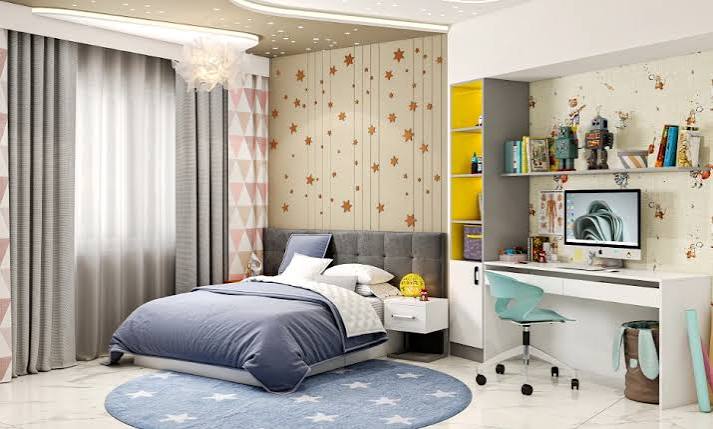
A well-designed bedroom should provide children and teenagers with a comfortable place to sleep, a practical area for daily activities, and enough storage to keep their belongings organized. However, creating a functional environment can be challenging when the room has limited floor space or needs to accommodate more than one child. Choosing versatile furniture is an effective way to overcome these challenges without compromising style. Bunk Beds are a popular solution because they combine efficient space utilization with a wide range of design possibilities.
Within the Kids & Youth Bedrooms category, bunk beds are available in numerous sizes, materials, and configurations to suit different family requirements. From simple designs for shared rooms to multifunctional models with desks and storage compartments, these beds can help create organized and attractive interiors. Understanding their benefits and knowing what to consider before purchasing can help parents make a choice that serves their household for years.
Maximizing Space in Shared Bedrooms
One of the most valuable benefits of bunk beds is their ability to free up floor space. Instead of positioning two separate beds side by side, a vertical arrangement creates additional room for furniture and activities. This advantage is particularly important in apartments, smaller homes, and children's rooms that need to serve several purposes.
The space saved can accommodate a study desk, a compact wardrobe, a dresser, or a small reading corner. Younger children can enjoy more open floor space for play, while teenagers can benefit from a dedicated homework area.
Bunk beds can also make shared bedrooms easier to organize. When each child has a designated sleeping area and clearly arranged storage, maintaining a comfortable environment becomes more manageable. Parents can select matching bedding for a coordinated appearance or use different colors to reflect each child's preferences.
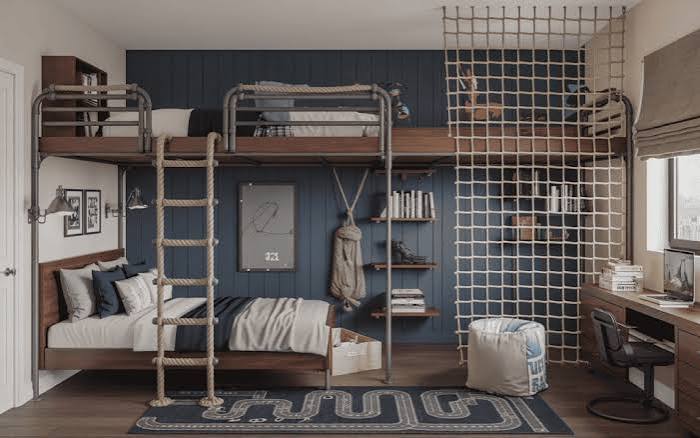
Different Styles of Bunk Beds
The best bunk bed depends on the room's dimensions, the ages of the children, and the furniture features the family needs.
Traditional Twin Bunk Beds
Traditional twin bunk beds feature two single beds arranged vertically. Their compact design makes them suitable for siblings who share a bedroom and families seeking a straightforward sleeping arrangement.
These beds are available in wooden and metal frames, with finishes ranging from natural oak tones to white, gray, and darker contemporary colors. A simple design can adapt easily to changing decorative preferences, allowing parents to update the room with new bedding and accessories.
Twin-over-Full Bunk Beds
Twin-over-full bunk beds feature a single bed on top and a larger bed underneath. This arrangement offers additional sleeping space on the lower level and may suit siblings with different space requirements.
The wider bottom bed can also provide flexibility when relatives or friends stay overnight. Because this configuration occupies more floor space than a standard twin bunk bed, families should measure the room carefully and check that the layout allows comfortable movement.
Loft Bunk Beds
Loft beds raise the sleeping area and leave the space below available for other purposes. Depending on the design, this area can accommodate a study desk, shelves, storage drawers, or a small seating arrangement.
For older children and teenagers, a loft bed can help create a practical bedroom layout that separates sleeping and studying areas. Adding a suitable chair, organized shelves, and task lighting can turn the lower section into a functional workspace.
Bunk Beds With Storage
Storage bunk beds include drawers, shelves, cabinets, or built-in compartments that help keep everyday items organized. Some designs feature drawers beneath the lower bed, while others incorporate storage into the steps leading to the upper sleeping area.
These features can provide space for clothing, toys, books, and extra bedding. They may also reduce the need for separate storage furniture, making them particularly useful in compact rooms.
Before selecting a storage model, check whether drawers can open fully and whether shelves are easy for the intended user to reach.
L-Shaped Bunk Beds
L-shaped bunk beds arrange the sleeping areas at a right angle rather than directly above each other. This configuration creates a distinctive visual effect and may leave space for a nightstand, desk, or additional storage.
Although some L-shaped designs need more floor space, they can work well in larger shared bedrooms. Their arrangement can also help create a greater sense of separation between siblings while maintaining a coordinated room design.
Choosing the Right Materials
The materials used in bunk beds affect their appearance, durability, and maintenance requirements. Wooden frames remain popular because they offer a warm, natural appearance and complement a wide range of interior styles. Light wood finishes can create an airy atmosphere, while darker finishes may suit more traditional or sophisticated bedrooms.
Metal frames often provide a streamlined look that works well in modern interiors. They are available in various finishes and may appeal to families who prefer simple shapes and understated details. Some models combine wood and metal for a balanced appearance.
Regardless of the material, construction quality should be a priority. Look for a stable frame, secure joints, appropriate weight limits, and reliable ladder attachments. Review the manufacturer's specifications and assembly instructions before use.
Selecting durable furniture can help families avoid unnecessary replacements and maintain a consistent bedroom layout as children grow.
Measuring the Room Before Purchasing
Accurate measurements are essential when choosing bunk beds. Begin by measuring the bedroom's length, width, and ceiling height. Also identify the positions of doors, windows, wardrobes, and other fixed features that could affect furniture placement.
Ceiling clearance deserves particular attention because the upper sleeping area needs sufficient space above the mattress. Follow the manufacturer's guidance regarding clearance and mattress thickness. Using a mattress that is too thick may reduce the effective height of the upper guardrails.
Consider how the bed will affect movement throughout the room. Children should be able to reach their wardrobes, open drawers, and access the ladder without unnecessary obstacles. Leave enough room for other furniture and everyday activities.
Planning the complete layout before purchasing can prevent overcrowding. A compact desk and vertical shelving may be more useful than several large furniture pieces, especially when the bedroom serves as both a sleeping and study area.
Safety Considerations for Families
Safety is essential when selecting bunk beds for children. Choose a model with secure guardrails on the upper bunk, a stable ladder or staircase, and a sturdy frame suitable for its intended users.
Children younger than six years should not sleep on the upper bunk. Parents should establish clear rules against jumping on the beds, rough play on the upper level, or climbing on parts of the frame that are not designed for that purpose.
Always follow the manufacturer's mattress size and thickness requirements. Keep the bed away from ceiling fans, hanging light fixtures, and other potential hazards. The ladder area should remain clear of toys, clothing, and other objects that could cause someone to trip.
Regularly inspect the frame, fasteners, guardrails, and ladder connections for signs of looseness or damage. Following the manufacturer's maintenance recommendations helps support a safer sleeping environment.
Decorating Kids & Youth Bedrooms
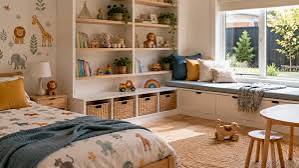
Bunk beds can serve as the foundation for a coordinated bedroom design. Neutral finishes such as white, beige, gray, and natural wood are versatile choices that work with many colors and decorative styles.
For younger children, colorful bedding and playful patterns can create a cheerful atmosphere. Teenagers may prefer simple textiles, geometric designs, or accessories that reflect their hobbies and personal interests.
In a shared room, matching colors can create a unified appearance, while different cushions and bedding allow each child to personalize their sleeping space. Wall shelves and suitable reading lights can add functionality without taking up too much floor area.
Parents can also update the room over time by replacing bedding, rugs, curtains, and wall decorations rather than buying new main furniture. This approach helps the bedroom evolve with the children's changing preferences.
Organizing the Bedroom for Everyday Use
A comfortable bedroom should be easy to maintain. Storage drawers can hold clothing and bedding, while baskets help organize toys and smaller accessories. Shelves can keep books accessible, and desk organizers can prevent school supplies from spreading across the workspace.
Encouraging children to return belongings to their designated places helps maintain order. Keeping pathways clear also makes it easier to move around the room and access the bed safely.
As children grow, their needs may change from play-focused activities to homework, hobbies, and personal storage. Reviewing the bedroom layout regularly allows parents to make practical adjustments without completely redesigning the space.
Conclusion
Bunk Beds are a versatile furniture choice for families seeking to maximize space while creating comfortable and attractive bedrooms. With options ranging from traditional twin arrangements to loft beds, storage-focused designs, and L-shaped configurations, there are solutions for different room sizes and family needs.
When exploring the Kids & Youth Bedrooms category, consider safety, construction quality, mattress compatibility, ceiling clearance, and the overall room layout. Combining a suitable bunk bed with practical storage, coordinated colors, and carefully selected accessories can create a bedroom that supports sleeping, studying, playing, and relaxing. With thoughtful planning, families can build an organized and welcoming environment that adapts as their children grow.
Related posts