Practical Storage and Timeless Style for Kids & Youth Bedrooms
A thoughtfully designed bedroom gives children and teenagers a comfortable place to sleep, study, relax, and develop their independence. Keeping the space organized, however, can become challenging as clothing collections, school supplies, and personal belongings increase. Youth Wardrobes provide an effective storage solution, helping families maintain a tidy bedroom while creating an interior that reflects each child's personality.
As an essential part of Kids & Youth Bedrooms, wardrobes should combine sufficient storage capacity with an attractive appearance and durable construction. From compact furniture for smaller rooms to spacious designs for teenagers, the right wardrobe can simplify daily routines and adapt to changing needs. Understanding the available styles, features, and materials makes it easier to choose furniture that delivers lasting value.
How Youth Wardrobes Improve Bedroom Organization
An organized wardrobe makes everyday activities more convenient. Children can find their school uniforms, choose outfits, and put away clean laundry without creating unnecessary clutter. Giving clothing and accessories designated places also encourages better organizational habits.
For younger children, accessible shelves and simple hanging sections can make it easier to manage personal belongings. Parents can arrange frequently worn outfits at reachable heights, allowing children to participate in getting dressed and tidying their rooms.
Teenagers often need a more flexible arrangement. Their wardrobes may accommodate casual clothing, formal outfits, sportswear, shoes, bags, and seasonal accessories. Separate storage sections can help keep these belongings organized and make the most of the available space.
Youth Wardrobes can also improve the visual appearance of a bedroom by concealing clutter and creating a more orderly environment. When the wardrobe coordinates with the bed, desk, and other furniture, it contributes to a cohesive interior design.
Choosing the Right Wardrobe Size
Selecting an appropriate wardrobe begins with understanding the bedroom layout. The furniture should provide enough storage without making the room difficult to navigate.
Measure the available wall space, ceiling height, and distance between the wardrobe and nearby furniture. Consider whether hinged doors can open fully and whether drawers can be pulled out without obstructing walkways.
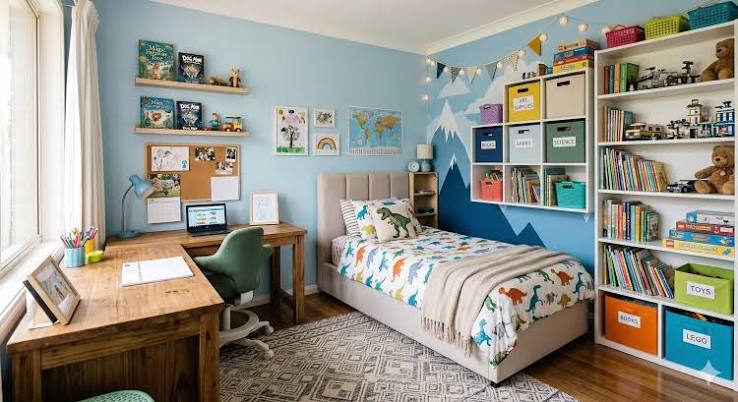
Compact Wardrobes for Smaller Bedrooms
Compact wardrobes are ideal for rooms where floor space is limited. Tall, narrow designs use vertical space efficiently, leaving more room for a bed, study desk, or play area.
Models with built-in drawers and shelves can provide several storage options within one furniture piece. Sliding-door wardrobes may also be useful because their doors do not swing outward into the room.
For particularly small bedrooms, choose a simple design with a practical interior rather than focusing exclusively on external appearance.
Spacious Wardrobes for Teenagers
Teenagers with larger clothing collections may benefit from wider wardrobes featuring multiple doors and separate compartments. A combination of hanging rails, drawers, and shelves provides flexibility for different garments and accessories.
Before choosing a larger model, consider how much storage is actually needed. A carefully organized wardrobe with a suitable interior layout may be more useful than a bulky design with limited compartment options.
Popular Styles for Kids & Youth Bedrooms
Wardrobe styles can complement a wide range of bedroom themes, from colorful children's spaces to contemporary teenage interiors.
Modern Minimalist Wardrobes
Modern wardrobes feature clean lines, simple handles, and understated finishes. White, gray, beige, and natural wood tones are popular because they coordinate easily with different colors and decorative styles.
These designs are especially suitable for teenagers who prefer uncluttered interiors. Their timeless appearance also makes it easier to update bedding, wall colors, and accessories without replacing the main furniture.
Classic Wooden Wardrobes
Wooden wardrobes add warmth and character to a bedroom. Light wood finishes can create a relaxed atmosphere, while deeper shades offer a more traditional or sophisticated appearance.
They can coordinate with wooden bed frames, bedside tables, and study desks to create a consistent furniture arrangement. Choosing complementary finishes rather than identical pieces can also introduce visual interest.
Sliding-Door Wardrobes
Sliding-door wardrobes are practical for bedrooms where conventional doors would occupy too much space when opened. Their design can make furniture placement easier, particularly when the wardrobe stands near a bed or desk.
Some models include mirrored panels that combine storage with a convenient dressing feature. When selecting this style, examine the quality of the sliding mechanism and ensure the doors move smoothly.
Important Storage Features to Consider
The internal layout of Youth Wardrobes determines how effectively they accommodate everyday belongings. Different features can make the furniture more useful for children at various ages.
Hanging rails: These provide space for shirts, dresses, jackets, school uniforms, and other garments that benefit from hanging storage. Separate rails can help divide clothing into useful categories.
Adjustable shelves: Shelves accommodate folded garments, sweaters, bags, and bedding. Adjustable designs allow families to change the interior arrangement when storage needs evolve.
Built-in drawers: Drawers are suitable for smaller belongings such as socks, underwear, accessories, and personal essentials. Keeping these items separate makes them easier to locate.
Shoe compartments: Dedicated shoe storage helps prevent footwear from accumulating on the bedroom floor. Lower shelves can provide convenient access to frequently worn pairs.
Additional organizers: Baskets, dividers, and storage boxes can make the most of available space. Labeling containers may help younger children remember where their belongings should be returned.
Selecting Durable Materials and Quality Construction
A wardrobe is used frequently, so construction quality is an important consideration. Doors, hinges, drawer runners, and shelves should withstand regular use while maintaining their stability.
Solid wood provides a natural appearance and can offer long-term durability when properly constructed and maintained. Engineered wood is available in many finishes and styles, while laminated surfaces provide additional design options and are often easy to clean.
When examining a wardrobe, check the frame's stability, the alignment of the doors, and the smooth operation of drawers. Handles should be securely attached, and shelves should have adequate support for their intended loads.
Safety should also be a priority. Tall wardrobes should be anchored securely to an appropriate wall according to the manufacturer's instructions. Correct assembly and regular checks of fittings help maintain a safer bedroom environment.
Coordinating Wardrobes with Bedroom Colors and Furniture
A wardrobe should complement the rest of the bedroom without overwhelming the space. Coordinating finishes with the bed, bedside tables, or study desk can create a harmonious appearance.
Light-colored wardrobes can help smaller rooms feel brighter, especially when paired with neutral walls and bedding. Natural wood introduces warmth, while gray and darker finishes may suit contemporary interiors.
For younger children, colorful handles or decorative accessories can add personality without limiting future design choices. Teenagers may prefer simple finishes that work with changing bedding, posters, and decorative accents.
Consider the room's overall layout as well. Leave sufficient space to open doors, access drawers, and move around comfortably. A practical furniture arrangement should support dressing, studying, sleeping, and relaxing.
Maintaining an Organized Wardrobe Throughout the Year
Even a well-designed wardrobe benefits from a simple organization routine. Group clothing into categories such as everyday outfits, school uniforms, sportswear, and special-occasion garments.
Frequently used items should remain within easy reach, while less frequently used belongings can occupy higher shelves when they can be accessed safely.
Seasonal rotation can also improve storage efficiency. During warmer months, heavier garments can be placed in labeled containers, leaving more accessible space for summer clothing. The arrangement can be reversed when temperatures change.
Encourage children to return clothes to their designated sections and put away clean laundry regularly. Periodically reviewing clothing helps remove items that no longer fit and prevents unnecessary belongings from taking up valuable space.
Choosing a Wardrobe That Grows with Your Child
Children's storage needs change considerably from early school years through adolescence. A flexible wardrobe can remain useful longer by offering adjustable shelves, practical hanging sections, and sufficient room for additional belongings.
Timeless designs are particularly valuable because they can complement different bedroom styles as children mature. Instead of replacing the main furniture whenever preferences change, families can refresh the room with new accessories, bedding, or lighting.
Consider both current needs and future use before purchasing. A well-selected wardrobe should fit the room, accommodate everyday essentials, and remain practical as clothing collections grow.
Conclusion
Youth Wardrobes are essential components of functional and attractive Kids & Youth Bedrooms. They provide organized storage, help reduce clutter, and encourage children and teenagers to develop useful everyday habits.
By evaluating bedroom dimensions, storage features, materials, safety, and design preferences, families can choose a wardrobe that combines practicality with lasting style. Whether the priority is maximizing a small room or accommodating a growing teenager's belongings, the right wardrobe can create a more comfortable, organized, and inviting bedroom for years to come.