
A Complete Guide to Caring for Upholstered Furniture
Fabric-covered furniture brings warmth, comfort, and style to modern homes. From statement sofas and elegant accent chairs to upholstered headboards and bedroom benches, these pieces contribute to the atmosphere of every interior. However, everyday activities can expose upholstery to spills, dust, food stains, pet hair, and gradual wear. Without proper maintenance, fabrics may lose their color, texture, and attractive appearance over time. Fabric Protection offers a practical approach to reducing these risks and keeping upholstered furniture looking its best.
As an important subject within Furniture Materials & Care, fabric protection involves preventive treatments, suitable cleaning practices, and everyday habits that help preserve upholstery. Whether furnishing a busy family home or designing a stylish bedroom, understanding how to protect different fabrics can help homeowners make informed decisions and maintain their furniture for years.
Understanding Fabric Protection
Fabric protection describes the methods used to reduce the effects of common stains, spills, dirt, and everyday use on upholstered surfaces. Depending on the material and the chosen method, protection may involve specialized sprays, removable covers, regular vacuuming, or professional upholstery treatments.
Certain protective products create a surface barrier that slows the absorption of some liquids, giving homeowners more time to blot a spill. Other approaches focus on preventing dirt from accumulating and minimizing friction that can contribute to fabric wear.
It is important to remember that protected upholstery is not necessarily waterproof or stainproof. Performance depends on the fabric's composition, the protective product, and how the furniture is used. Following manufacturer recommendations remains essential for achieving suitable results without damaging delicate materials.
Benefits of Protecting Upholstered Furniture
Preserving Color and Texture
Upholstery contributes significantly to the appearance of a room. A velvet armchair, linen sofa, or patterned accent chair can become a focal point within an interior design scheme. Dust, stains, and prolonged exposure to sunlight may gradually affect its appearance.
A consistent care routine helps remove surface debris and reduces the chance of permanent marks. Appropriate protective treatments may provide additional resistance to selected spills, helping furniture maintain its original visual appeal.
Extending Furniture Longevity
Furniture represents an important household investment. Replacing a sofa or upholstered bed because of preventable damage can be costly. Small particles of dirt may become trapped within fabric fibers, where friction from sitting and movement can contribute to gradual wear.
Vacuuming, prompt stain treatment, and suitable protection can help reduce these effects. Although no method eliminates normal aging, regular maintenance can support a longer useful life for upholstered furniture.
Making Everyday Cleaning Easier
Busy households often experience accidental spills and frequent furniture use. When an appropriate protective treatment slows liquid absorption, cleaning some accidents may become easier. Removable covers can provide another practical layer of protection, particularly for seating used throughout the day.
These measures help simplify maintenance while allowing homeowners to enjoy their furniture without unnecessary concern about every small accident.
Supporting Better Furniture Care
Protection works best as part of a complete maintenance routine. Combining preventive measures with proper cleaning helps homeowners identify early signs of damage and address problems before they become more difficult to manage.
Popular Fabric Protection Methods
Fabric Protector Sprays
Fabric protector sprays are designed to improve resistance to certain liquids or stains on compatible materials. Their performance varies according to the formula and the upholstery type.
Before applying a spray, read the product label and check the furniture manufacturer's care instructions. Test the product on a small, hidden area and allow it to dry completely before checking for discoloration, stiffness, or other changes.
Use the product only as directed, including any ventilation and drying precautions. Never assume that a treatment suitable for polyester will also be appropriate for velvet, linen, or another delicate fabric.
Removable Furniture Covers
Covers provide a physical barrier between upholstery and common sources of dirt. They can be particularly useful for family sofas, reading chairs, upholstered benches, and frequently used bedroom furniture.
Choose covers that fit properly and can be cleaned according to their care labels. Neutral colors can complement a wide range of interiors, while decorative patterns can introduce personality and visual interest.
Professional Upholstery Treatments
Professional protection services may be suitable for expensive furniture, delicate upholstery, or materials that require specialized handling. A qualified service provider can assess the fabric and recommend an appropriate treatment.
Before choosing a service, ask which products will be used, whether the treatment is compatible with the upholstery, and what results can realistically be expected. Professional treatment can be helpful, but it does not eliminate the need for regular cleaning.
Choosing the Right Protection for Different Fabrics
Different upholstery materials require different care strategies.
Cotton and linen can be attractive and comfortable, but their cleaning requirements vary depending on the weave, dye, and finish. Polyester and many microfiber fabrics may be relatively practical for everyday use, although they still require appropriate maintenance.
Velvet needs special attention because unsuitable products or aggressive brushing can affect its pile and appearance. Delicate fabrics should be treated according to their specific care instructions rather than with a general-purpose spray.
When choosing furniture, consider both appearance and lifestyle. Homes with children or pets may benefit from durable upholstery, removable covers, and fabrics that are easier to maintain. Decorative furniture used occasionally may need a different care schedule from a sofa used every day.
Always check cleaning labels before using water, solvents, or chemical treatments. If the instructions are unclear, consult the manufacturer or a professional upholstery cleaner.
Practical Tips for Maintaining Fabric Protection
Address Spills Quickly
Use a clean, absorbent cloth to blot spills gently. Avoid rubbing the affected area because friction can spread the stain or push it deeper into the fibers. Follow the recommended cleaning instructions and use a suitable solution only when permitted.
For persistent stains, professional cleaning may be safer than trying several household products.
Vacuum on a Regular Schedule
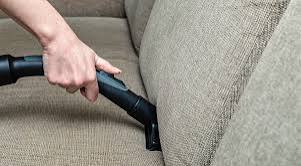
Vacuum seats, cushions, seams, and corners with an appropriate upholstery attachment. This helps remove dust, crumbs, and loose particles before they accumulate. Frequently used furniture may need more regular attention than decorative pieces.
Reduce Sunlight Exposure
Strong sunlight can cause some fabrics to fade over time. Position furniture away from direct sunlight where possible, and use curtains or blinds to limit prolonged exposure. Rotating cushions may help reduce uneven fading when the design allows it.
Keep Furniture Dry When Necessary
Excessive moisture can damage certain upholstery materials and may contribute to unwanted odors. Follow the recommended cleaning method, avoid soaking the fabric, and allow cleaned areas to dry completely before using the furniture again.
Review Protection Periodically
Some treatments require reapplication, while others do not. Check the product instructions instead of assuming that protection lasts indefinitely or needs renewal after every cleaning. Use only compatible products and avoid unnecessary chemical applications.
Fabric Protection for Kids & Youth Bedrooms
Kids & Youth Bedrooms often include upholstered headboards, padded benches, reading chairs, and small sofas. Because children use these spaces for playing, reading, drawing, and relaxing, the furniture may experience frequent contact with snacks, drinks, and art materials.
Selecting easy-care upholstery can make a significant difference. Removable covers are useful for items that experience regular spills, while routine vacuuming helps remove crumbs and dust. Parents can also establish simple habits, such as keeping drinks in secure containers and cleaning accidental spills promptly.
When using protective sprays, adults should follow all safety instructions and keep children away during application. Furniture should remain unused until the product has dried completely and the label indicates that it is safe for normal use.
A practical approach to protection allows children to enjoy their bedrooms while helping parents maintain clean, attractive furniture.
Common Mistakes to Avoid
One frequent mistake is assuming that a protective treatment makes upholstery completely resistant to stains. Another is applying a product without checking whether it is suitable for the material.
Aggressive scrubbing, excessive moisture, and mixing cleaning chemicals can also damage fabrics. Ignoring manufacturer instructions may create additional problems, particularly with delicate upholstery.
Finally, protective treatments should never replace basic maintenance. Regular vacuuming, careful use, and prompt attention to spills remain essential for preserving furniture quality.
Conclusion
Fabric Protection is a valuable part of Furniture Materials & Care because it helps homeowners manage everyday upholstery challenges and maintain attractive interiors. By choosing suitable treatments, using removable covers where appropriate, cleaning spills carefully, and following manufacturer recommendations, homeowners can reduce preventable damage and support the longevity of their furniture.
From living room seating to upholstered pieces in Kids & Youth Bedrooms, a consistent maintenance routine helps preserve comfort, appearance, and value. The most effective approach combines appropriate protection with realistic expectations and regular care.