The Complete Guide to Caring for Leather Furniture
Leather furniture is a timeless addition to any home, offering a combination of elegance, comfort, and versatility. From sophisticated living room sofas to upholstered beds and accent chairs, leather can complement many interior design styles. However, keeping leather furniture in excellent condition requires the right cleaning methods and a consistent approach to care.
Effective Leather Maintenance helps preserve the appearance of upholstery, reduce the risk of avoidable damage, and extend the useful life of furniture. Dust, body oils, spills, sunlight, and everyday friction can gradually affect leather surfaces. Choosing suitable cleaning products and understanding the specific material can make a significant difference.
As part of the Furniture Materials & Care category, this guide explores practical ways to clean leather, prevent common problems, and maintain furniture in busy households. It also considers leather and faux-leather furniture used in Kids & Youth Bedrooms, where easy cleaning and durability are particularly valuable.
Why Leather Furniture Requires Proper Maintenance
Leather is a distinctive upholstery material that responds differently to environmental conditions and cleaning products than ordinary fabric. Depending on its finish, it may be vulnerable to stains, fading, scratches, or changes in texture.
Regular care removes surface dirt before it accumulates and helps homeowners notice early signs of deterioration. Appropriate maintenance can also protect the appearance of the finish and prevent avoidable wear caused by unsuitable cleaning techniques.
However, leather care does not require constant polishing or the application of multiple products. Some modern leather surfaces are designed to be cleaned gently, while others may require specialized treatments. Understanding the manufacturer's recommendations is the foundation of a successful care routine.
Understanding the Different Types of Leather
Before choosing a cleaning solution, identify the upholstery material. Different leather types have different characteristics, and a product suitable for one surface may be unsuitable for another.
Full-Grain and Top-Grain Leather
Full-grain leather retains much of the natural surface texture, while top-grain leather may undergo additional processing to create a more uniform appearance. Both are used in furniture, but their maintenance needs depend on their particular finishes.
Use products approved for the specific leather rather than assuming that every natural leather surface requires the same treatment.
Protected Leather
Protected leather usually has a surface coating that provides consistent color and may improve resistance to everyday marks. Gentle cleaning with a compatible product is often suitable, but abrasive tools and strong chemicals can still damage the finish.
Aniline Leather
Aniline leather is valued for its natural appearance and visible grain characteristics. It typically has less protective pigmentation than protected leather, which can make it more susceptible to staining and fading. Specialist care may be appropriate for delicate or valuable pieces.
Bonded Leather
Bonded leather is manufactured using leather fibers combined with binding materials and a surface coating. It differs from full natural leather, and its surface may deteriorate through peeling or cracking. Avoid excessive moisture and products not approved for its construction.
Faux Leather
Faux leather is a synthetic material designed to resemble genuine leather. Its cleaning requirements depend on the coating and manufacturing process. Always verify that a cleaner is suitable for synthetic upholstery before applying it.
How to Clean Leather Furniture Correctly
A consistent cleaning process helps maintain leather furniture while minimizing the risk of damage.
Step 1: Check the Care Instructions
Read the manufacturer's label or maintenance guide. Confirm which cleaning products are permitted and whether conditioning is recommended.
Step 2: Remove Dust
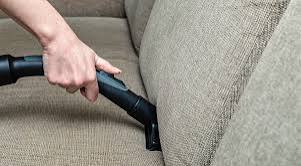
Use a clean, soft microfiber cloth to remove loose dust and debris. Pay attention to armrests, seat cushions, headrests, and seams. A suitable soft brush or upholstery attachment can help clean difficult areas without scratching the surface.
Step 3: Test the Cleaner
Before cleaning the entire piece, test an approved product on a hidden area. Follow the label instructions and inspect the test area after it dries. If the color, texture, or sheen changes unexpectedly, discontinue use.
Step 4: Clean Gently
Apply the recommended amount of cleaner using a soft cloth. Work in small sections and avoid excessive rubbing. Do not soak the leather or allow liquid to collect around stitching, seams, and edges.
Step 5: Remove Residue and Dry
Follow the product directions for removing residue. Allow the furniture to dry naturally in a well-ventilated space, away from direct sunlight and strong heat sources.
Managing Spills and Difficult Stains
Spills are common on furniture used every day, but prompt attention can reduce the likelihood of lasting marks.
For ordinary liquid spills, gently blot the area with a clean, absorbent cloth. Avoid rubbing, as friction may spread the spill or damage the surface coating. Continue blotting until excess liquid has been absorbed.
Food residue should be removed using a cleaning method approved for the upholstery. Stubborn stains caused by ink, grease, or dye transfer may require a specialist product or professional assistance.
Avoid untested home remedies, including vinegar, alcohol, bleach, and strong solvents. These substances can discolor certain finishes or weaken protective coatings. If a stain remains after appropriate cleaning, seek professional advice instead of repeatedly treating the area.
When Should You Condition Leather Furniture?
Conditioning can help maintain the feel of certain natural leather surfaces, but it is not necessary for every leather product. Some coated finishes and synthetic materials may not be compatible with traditional leather conditioners.
Choose a conditioner specifically approved for the material. Test it on a concealed section, apply only the recommended quantity, and follow the manufacturer's instructions.
Overconditioning may create a greasy appearance, leave residue, or attract dust. The correct treatment schedule depends on the leather type, surface finish, indoor conditions, and manufacturer's guidance.
If the furniture has deep cracks, peeling, or extensive discoloration, conditioning alone is unlikely to repair the damage. A professional may need to assess whether restoration is possible.
Protecting Leather from Sunlight, Heat, and Daily Wear
Preventive care can reduce the risk of premature deterioration. Position leather sofas, chairs, and upholstered beds away from prolonged direct sunlight whenever possible. Strong sunlight may fade colors, while excessive heat can affect the surface finish.
Keep furniture away from radiators and other intense heat sources. Maintain a reasonably stable indoor environment, since significant changes in temperature and humidity may also affect the upholstery and the materials beneath it.
Protect leather from sharp objects such as keys, buckles, and rough accessories. Regularly inspect high-contact areas for scratches, loose stitching, or other signs of wear. These simple measures can help preserve the appearance of furniture without requiring frequent treatments.
Leather Maintenance for Kids & Youth Bedrooms
Leather and faux leather are sometimes used for upholstered headboards, bedroom benches, reading chairs, and accent seating. In children's bedrooms, these pieces may experience frequent contact, accidental spills, and marks from everyday activities.
A practical routine starts with regular dusting and prompt spill management. Use only cleaning products approved for the specific material, and avoid abrasive sponges or harsh chemicals that could damage the upholstery.
Keep pens, markers, food, and craft materials away from upholstered surfaces whenever possible. If a stain occurs, follow the manufacturer's instructions instead of experimenting with stronger cleaners.
Store cleaning and conditioning products securely out of children's reach. Follow ventilation and drying instructions, and ensure the furniture is ready for use before children return to the area.
When selecting furniture for a child's bedroom, consider stability, construction quality, age suitability, and safe placement in addition to upholstery. Easy-to-clean materials can be useful, but they should always be part of a broader approach to choosing appropriate furniture.
Common Leather Care Mistakes to Avoid
Even good-quality furniture can suffer when maintenance methods are unsuitable. Avoid these common mistakes:
- Using harsh chemicals: Strong solvents and household cleaners may discolor or damage the surface.
- Scrubbing aggressively: Excessive friction can worsen stains and wear away protective coatings.
- Applying too much conditioner: Overuse may leave an oily film and attract dirt.
- Ignoring the material type: Genuine leather, bonded leather, and faux leather require different care approaches.
- Using excessive moisture: Water can affect stitching, seams, and underlying materials.
- Placing furniture in direct heat: Heat and prolonged sunlight may contribute to fading or deterioration.
- Ignoring visible damage: Peeling, deep cracks, and loose stitching may need professional repair.
Never mix cleaning products unless their manufacturers explicitly confirm that doing so is safe.
Creating a Simple Long-Term Care Routine
An effective leather-care plan should be easy to follow. Dust furniture regularly, inspect areas that receive frequent contact, and deal with spills promptly. Perform deeper cleaning only when necessary and use products recommended for the upholstery.
Keep the original care instructions for future reference. For valuable, antique, or delicate leather pieces, professional guidance can help prevent accidental damage and support appropriate restoration.
Remember that some changes in leather texture and color occur naturally with use. The goal of maintenance is to keep the furniture clean, functional, and in good condition while avoiding unnecessary treatments.
Conclusion
Leather furniture can remain comfortable and attractive when it receives suitable care. Identifying the upholstery type, cleaning gently, responding quickly to spills, and protecting the surface from environmental damage are essential parts of effective Leather Maintenance.
Within the Furniture Materials & Care category, these practices apply to many furniture styles, including upholstered pieces in Kids & Youth Bedrooms. By following manufacturer recommendations and maintaining a consistent routine, homeowners can reduce avoidable damage, preserve the appearance of their furniture, and enjoy its timeless appeal for years to come.