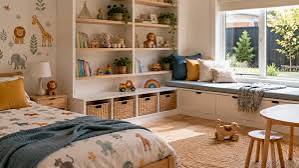
Creating Functional and Inspiring Spaces in Kids & Youth Bedrooms
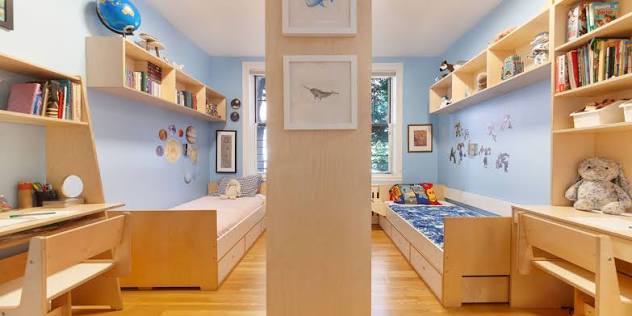
Designing a comfortable and practical bedroom for children and teenagers involves more than choosing attractive furniture. A well-organized study area can help young learners develop productive habits, stay focused on schoolwork, and enjoy a space that reflects their personality. Within the main categories of Kids & Youth Bedrooms, Study Desks are essential furniture pieces that combine functionality, comfort, and style.
Whether you are furnishing a bedroom for a young child starting school or a teenager preparing for important exams, selecting the right desk can make everyday learning more enjoyable. With thoughtful planning, families can create a study environment that supports concentration, creativity, and organization while complementing the overall bedroom design.
Why Study Desks Are Essential in Kids & Youth Bedrooms
A dedicated study area gives children a consistent place to complete homework, read books, practice writing, and explore creative activities. Instead of working on a bed or using the dining table, children can develop a routine around a specific workspace.
Study Desks also help separate different bedroom activities. When the desk is arranged thoughtfully, children can distinguish between sleeping, playing, and studying. This separation can encourage better organization and make it easier to concentrate on individual tasks.
For teenagers, a dedicated desk becomes even more important as assignments become more demanding. Students may need space for textbooks, notebooks, laptops, stationery, and other educational materials. Choosing furniture that accommodates these needs can support a more comfortable and productive learning experience.
Choosing the Right Size for Your Child's Bedroom
Before purchasing a desk, measure the available bedroom space carefully. The desk should provide enough room for studying without making the bedroom feel crowded or difficult to navigate.
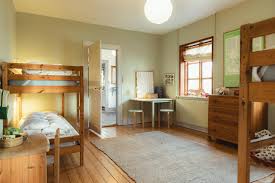
Compact Desks for Small Bedrooms
Smaller bedrooms often benefit from compact designs that maximize functionality while occupying minimal floor space. A narrow desk positioned against a wall can create a useful study station without interfering with the bed, wardrobe, or other essential furniture.
Corner desks are another practical option because they make use of areas that might otherwise remain unused. Some designs also incorporate shelves above the desktop, providing additional storage without taking up more floor space.
Larger Desks for Teenagers
Teenagers may need wider desktops to accommodate computers, study materials, and personal accessories. A larger desk can provide enough room for multiple activities, including writing, online learning, and creative projects.
When choosing a larger model, consider the chair's position and the amount of space needed to move comfortably. Leaving sufficient clearance around the desk helps maintain an accessible and functional bedroom layout.
Popular Study Desk Styles for Kids & Youth Bedrooms
The right furniture style should complement the existing bedroom design while meeting practical requirements. Study desks are available in numerous shapes, finishes, and configurations, making it possible to find an option for almost any interior.
Modern Minimalist Desks
Modern desks feature clean lines, simple shapes, and uncluttered surfaces. White, gray, and natural wood finishes are popular choices because they work well with many bedroom color schemes.
These designs are particularly suitable for families who prefer a neat, contemporary appearance. Their understated style also makes it easier to update decorative accessories as children grow and their preferences change.
Desks with Built-In Storage
Desks with drawers, cabinets, and shelves offer convenient places to organize school supplies. Children can keep pencils, notebooks, art materials, and other everyday essentials close at hand.
Built-in storage can also reduce clutter on the desktop, leaving more room for homework. For busy students, having frequently used items within easy reach can make study sessions smoother and more organized.
Creative and Colorful Designs
Younger children may enjoy desks with cheerful colors, playful details, or designs that coordinate with themed bedroom furniture. These features can make the study area feel welcoming and encourage children to spend time reading, drawing, and practicing new skills.
However, it is worth balancing decorative appeal with long-term usefulness. A desk with a timeless shape and colorful accessories may remain suitable for longer than a highly themed piece.
Prioritizing Comfort and Ergonomics
Comfort is an important consideration when selecting Study Desks for growing children. An attractive desk will not be particularly useful if its height or layout makes studying uncomfortable.
Ideally, the desk should allow the child to sit with relaxed shoulders, supported feet, and elbows positioned comfortably near the desktop. The chair should fit the desk appropriately, and adjustable furniture can be helpful as children grow.
The desktop should also provide enough room for books, writing materials, and electronic devices without forcing the child into an awkward position. For students who use computers regularly, placing the screen at a comfortable viewing height can help support better posture.
Lighting is another essential element. Whenever possible, position the desk near a window to benefit from natural daylight. Add a suitable desk lamp for evening study sessions, ensuring that the light illuminates the work surface without creating distracting glare.
Smart Storage Solutions for an Organized Study Area
An organized desk can make it easier for children to find supplies and maintain a productive routine. Storage should be practical, accessible, and appropriate for the child's age.
Drawers are useful for smaller items such as pens, erasers, rulers, and sticky notes. Open shelves provide convenient access to books and frequently used materials, while storage boxes can group similar supplies together.
Wall-mounted shelves are especially helpful in compact bedrooms because they use vertical space. A small pinboard or magnetic board can also provide a place for schedules, reminders, and school projects.
Encouraging children to tidy their desks after completing homework helps build responsibility. Simple habits, such as returning stationery to its proper place and organizing books by subject, can keep the study area functional throughout the school year.
Selecting Durable Materials and Finishes
Children's furniture should withstand everyday use, including frequent opening of drawers, moving school supplies, and regular cleaning. Choosing durable materials can help families get better long-term value from their purchase.
Engineered wood, solid wood, and quality laminated surfaces are common options for study desks. Each material offers different advantages in appearance, maintenance, and price. The best choice depends on the household's budget, preferred style, and expected use.
Smooth surfaces that are easy to wipe clean are particularly practical for younger children who enjoy drawing or craft activities. It is also important to inspect drawer mechanisms, handles, edges, and overall construction before buying.
Look for stable furniture with securely attached components and finishes appropriate for children's environments. Proper assembly and following the manufacturer's safety instructions are equally important.
Creating a Study Desk That Grows with Your Child
Children's needs change significantly as they progress through school. A desk suitable for early reading and writing may eventually need to accommodate a laptop, larger textbooks, and more complex assignments.
Adjustable-height desks can offer flexibility for growing children. Alternatively, families can choose a simple, spacious design that remains useful as study habits develop.
Neutral finishes are particularly versatile because they can complement different bedding, wall colors, and decorative accessories over time. Replacing a chair, lamp, or organizer may be enough to refresh the study area without purchasing an entirely new desk.
For teenagers, additional features such as cable management, computer space, and dedicated storage for chargers can improve everyday convenience.
How to Coordinate Study Desks with Bedroom Furniture
A well-designed study corner should feel connected to the rest of the bedroom. Matching the desk finish to the bed frame, wardrobe, or shelving can create a cohesive appearance, while contrasting colors can help define the study area.
In shared bedrooms, compact desks or separate workstations may help children maintain their own study routines. If space is limited, consider placing desks along a shared wall and using individual organizers to distinguish each child's supplies.
Keep decorative accessories purposeful. A comfortable chair, attractive lamp, small plant, or favorite framed print can personalize the workspace without covering the desktop with unnecessary objects.
Conclusion
Study Desks play an important role in creating functional and welcoming Kids & Youth Bedrooms. The right choice combines appropriate sizing, comfortable design, useful storage, durable materials, and a style that suits the child's personality.
By considering the bedroom layout, the child's age, and changing educational needs, families can create a dedicated study area that supports organization and concentration. Whether the priority is saving space, improving storage, or creating a modern interior, a carefully selected study desk can become a valuable part of a child's daily routine for years to come.