Enhancing Classic Elegant Furniture with Refined Craftsmanship
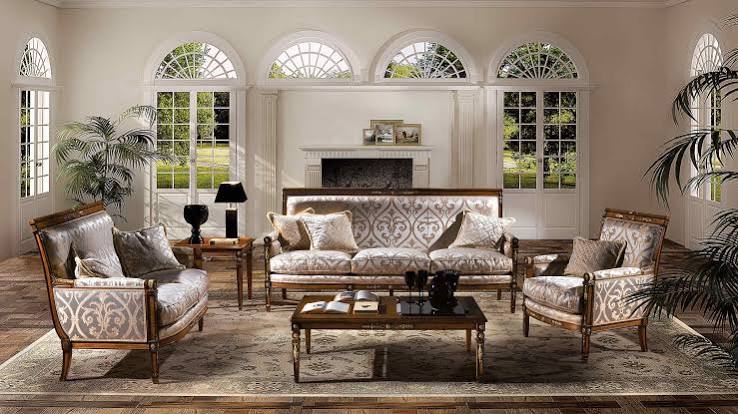
The beauty of a well-designed home often lies in the details that bring its furniture, colors, and decorative elements together. In traditional interiors, carefully crafted furniture can introduce sophistication while providing practical solutions for everyday living. Ornate Sideboards are excellent examples of this combination, offering decorative appeal, generous storage, and a distinctive presence that can transform an ordinary room into an elegant setting.
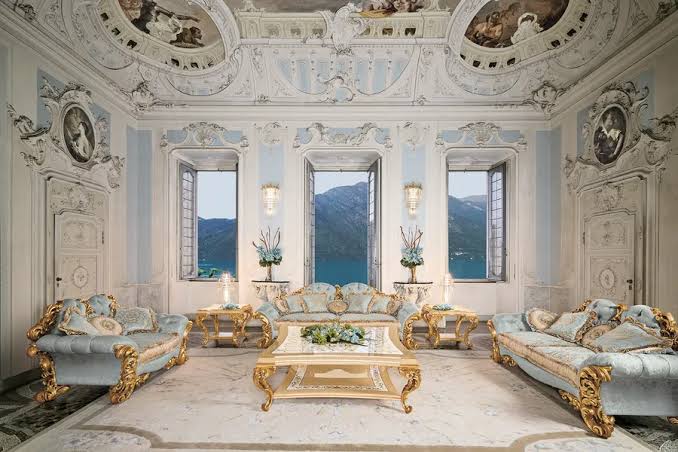
As part of Classic Elegant Furniture, ornate sideboards are appreciated for their intricate designs, refined finishes, and timeless character. From carved wooden cabinets to sophisticated pieces featuring metallic accents and decorative moldings, these furnishings suit a variety of interior styles. Whether placed in a formal dining room, a luxurious living area, or an entrance hall, an ornate sideboard can become a statement piece that reflects personal taste and attention to detail.
Why Ornate Sideboards Are a Valuable Furniture Choice
Ornate sideboards offer more than attractive surfaces and decorative details. Their combination of storage and style makes them useful additions to homes where organization and presentation are equally important.
Traditional designs often feature sculpted legs, raised panels, carved patterns, decorative handles, and carefully shaped edges. These elements add texture and depth, helping the furniture stand out without requiring excessive decoration elsewhere in the room.
Many ornate sideboards also provide a combination of cabinets and drawers, allowing homeowners to organize table linens, dining accessories, documents, and household essentials. Their broad upper surfaces create additional opportunities for displaying artwork, lamps, floral arrangements, and decorative objects.
Another advantage is their versatility. While elaborate sideboards naturally complement traditional interiors, simpler ornate designs can also work in transitional and contemporary spaces. The right finish, dimensions, and accessories can make the furniture feel coordinated with the rest of the home.
Exploring Different Ornate Sideboard Styles
Traditional European Sideboards
Traditional European sideboards are characterized by balanced proportions, decorative woodwork, and refined finishes. Many designs feature carved details, ornamental moldings, and rich wood tones that create a formal appearance.
Walnut and mahogany-inspired finishes are popular choices for dining rooms and traditional living spaces. Their depth and warmth pair well with classic chandeliers, upholstered furniture, and patterned rugs.
For a coordinated interior, choose accessories that complement the sideboard's wood finish and decorative details. A framed mirror or traditional artwork can help establish a focal point above the furniture.
French Provincial Sideboards
French Provincial designs combine graceful curves with a softer interpretation of traditional elegance. Curved legs, subtle carvings, decorative cabinet doors, and lightly distressed finishes are common characteristics.
Ivory, cream, pale gray, and natural wood tones can create a bright and welcoming atmosphere. These sideboards are particularly suitable for interiors that combine classic furniture with relaxed fabrics and understated accessories.
Decorative ceramics, linen textiles, and fresh flowers can reinforce the style without making the room feel overly formal.
Victorian-Inspired Sideboards
Victorian-inspired sideboards emphasize decorative richness and elaborate craftsmanship. Intricate carvings, ornate handles, detailed moldings, and darker finishes give these pieces a dramatic appearance.
Some designs incorporate marble-look surfaces, gold-toned accents, or decorative inlays. These features make them suitable for formal dining rooms, traditional reception areas, and homes that embrace luxurious classical interiors.
Because Victorian-inspired furniture often attracts attention immediately, it is helpful to keep surrounding decorations relatively restrained. Neutral walls and carefully selected accessories allow the furniture's details to remain prominent.
Contemporary Classic Sideboards
Contemporary classic sideboards combine traditional decorative features with modern proportions. They may include subtle carvings, elegant hardware, and sophisticated finishes while maintaining relatively clean silhouettes.
This style offers a practical option for homeowners who appreciate traditional furniture but prefer a less elaborate appearance. Pairing a contemporary classic sideboard with modern artwork, streamlined lighting, or neutral upholstery creates a balanced combination of old and new.
Selecting Materials and Finishes
The material and finish of an ornate sideboard influence its appearance, durability, and maintenance needs. Understanding the available options can help you make a more informed purchase.
Solid wood is valued for its strength, natural grain, and traditional appeal. Oak provides a distinctive texture, walnut offers rich brown tones, and mahogany is associated with classic formal furniture. The construction quality, joinery, and finish should always be considered alongside the wood type.
Wood veneer is another option for buyers who want an attractive wood appearance at a different price point. Quality veneer can create sophisticated surfaces, although its durability depends on the materials and manufacturing process.
Painted finishes offer additional flexibility. Cream and ivory can brighten a room, while black and deep brown create a dramatic look. Gold, bronze, or brass-toned hardware can emphasize decorative details and reinforce a classic appearance.
Before buying a sideboard, inspect its frame, drawer mechanisms, hinges, cabinet doors, and surface finish. Smooth operation and stable construction are important indicators of practical quality.
Decorating with Ornate Sideboards
Thoughtful styling helps ornate sideboards become attractive focal points without overwhelming the room. The goal is to complement the furniture's craftsmanship while maintaining a comfortable and organized environment.
Create a Balanced Wall Arrangement
A mirror or framed artwork placed above the sideboard can visually connect the furniture with the surrounding wall. Traditional interiors often benefit from decorative frames, while contemporary spaces may look better with a simpler mirror.
Consider the proportions of the wall decoration in relation to the furniture. A piece that is too small may look disconnected, while an oversized arrangement can overwhelm the sideboard.
Highlight the Furniture with Lighting
Lighting can emphasize carved details, reflective finishes, and decorative hardware. A pair of matching lamps creates symmetry and works particularly well in formal rooms. Alternatively, a single statement lamp can produce a more relaxed arrangement.
Wall sconces can also highlight the furniture while adding warmth to the room. Choose lighting that complements the sideboard rather than competing with its design.
Select Decorative Accessories Carefully
Vases, ceramic bowls, candleholders, books, and floral arrangements can enhance an ornate sideboard. Group accessories at different heights to create interest, but leave sufficient open space to appreciate the furniture itself.
In a formal dining room, metallic accessories and traditional decorative objects may complement the sideboard's finish. In a lighter interior, natural materials and neutral ceramics can provide a softer contrast.
Using Ornate Sideboards Throughout the Home
Ornate sideboards are not limited to dining rooms. Their versatile storage and decorative surfaces allow them to serve several purposes.
Dining Room Storage
A sideboard can store table linens, serving dishes, glassware, and other dining accessories. Its upper surface can accommodate serving trays during gatherings or display a decorative centerpiece between meals.
Position the furniture conveniently near the dining table while leaving enough space for chairs and walkways.
Living Room Organization
In a living room, an ornate sideboard can display lamps, books, framed photographs, and decorative objects. Cabinets and drawers help keep smaller belongings organized and out of sight.
Choose a design that complements the room's seating, occasional tables, and other furnishings. Coordinating finishes or colors can create a more cohesive appearance.
Entrance Hall Decoration
An ornate sideboard can create a welcoming first impression when placed in an entrance hall. A smaller piece may provide space for a lamp, a decorative bowl, or fresh flowers.
Measure the available area carefully before selecting a hallway sideboard. Ensure that doors can open fully and that the furniture does not obstruct entryways or walking routes.
Choosing the Right Dimensions and Storage Capacity
The size of a sideboard should match the room's proportions and intended use. A large, intricately carved piece may suit a spacious dining room, while a compact model may be more appropriate for a smaller living area.
Measure the available wall space and consider the sideboard's depth as well as its width. Allow sufficient room for drawers and cabinet doors to open without interfering with nearby furniture.
Think about what you intend to store. Deep cabinets may accommodate larger serving items, while drawers are useful for organizing smaller accessories. If the sideboard will also function as a display surface, choose a top that offers enough room for decorations without becoming cluttered.
Maintaining Ornate Sideboards
Proper care helps preserve the appearance and functionality of ornate furniture. Dust surfaces regularly with a soft cloth and use a soft-bristled brush to reach carved details. Avoid abrasive cleaning tools that could damage delicate finishes.
Clean spills promptly and use products appropriate for the furniture's material. Excessive moisture, heat, and prolonged direct sunlight may affect wooden surfaces and painted finishes.
Check hinges, handles, and drawer runners periodically to ensure they remain secure and operate smoothly. Authentic antique sideboards or pieces with delicate finishes may benefit from professional restoration rather than aggressive cleaning or refinishing.
Conclusion
Ornate Sideboards combine sophisticated design, traditional craftsmanship, and practical storage, making them valuable additions to Classic Elegant Furniture collections. Their decorative details and versatile functionality allow them to enhance dining rooms, living spaces, and entrance halls.
Whether you prefer French Provincial elegance, Victorian-inspired decoration, traditional European craftsmanship, or contemporary classic styling, choosing the right sideboard can improve both the appearance and organization of your home. By selecting quality materials, planning the placement carefully, coordinating accessories, and maintaining the furniture properly, you can enjoy a beautiful and functional interior for years to come.