<?xml version="1.0" encoding="utf-8"?>
<feed xmlns="http://www.w3.org/2005/Atom" xmlns:media="http://search.yahoo.com/mrss/">
    <title>Elite Furniture</title>
    <link href="https://elite-furniture.pages.dev/feed.xml" rel="self" />
    <link href="https://elite-furniture.pages.dev" />
    <updated>2026-10-14T21:29:50+03:00</updated>
    <author>
        <name>Sarah M. Elkins</name>
    </author>
    <id>https://elite-furniture.pages.dev</id>

    <entry>
        <title>A Complete Guide to Caring for Upholstered Furniture</title>
        <author>
            <name>Sarah M. Elkins</name>
        </author>
        <link href="https://elite-furniture.pages.dev/a-complete-guide-to-caring-for-upholstered-furniture/"/>
        <id>https://elite-furniture.pages.dev/a-complete-guide-to-caring-for-upholstered-furniture/</id>
        <media:content url="https://elite-furniture.pages.dev/media/posts/16/ty.jpg" medium="image" />
            <category term="Furniture Materials &amp; Care"/>
            <category term="Fabric Protection"/>

        <updated>2026-10-14T21:27:34+03:00</updated>
            <summary type="html">
                <![CDATA[
                        <img src="https://elite-furniture.pages.dev/media/posts/16/ty.jpg" alt="" />
                    Fabric-covered furniture brings warmth, comfort, and style to modern homes. From statement sofas and elegant accent chairs to upholstered headboards&hellip;
                ]]>
            </summary>
        <content type="html">
            <![CDATA[
                    <p><img src="https://elite-furniture.pages.dev/media/posts/16/ty.jpg" class="type:primaryImage" alt="" /></p>
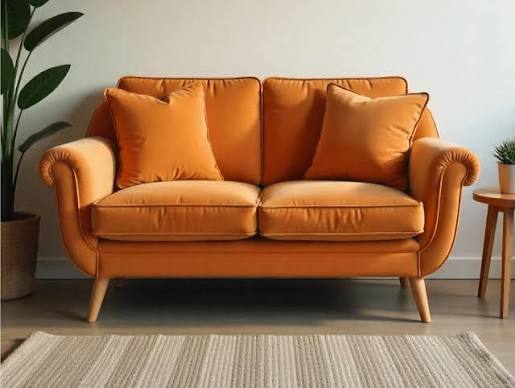
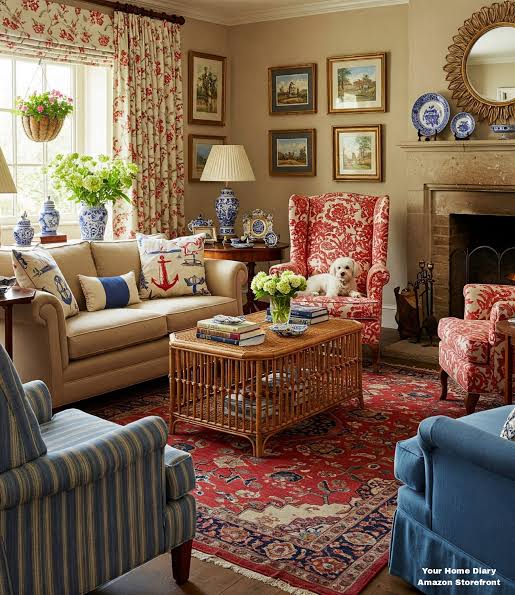
                <p style="text-align: left;">Fabric-covered furniture brings warmth, comfort, and style to modern homes. From statement sofas and elegant accent chairs to upholstered headboards and bedroom benches, these pieces contribute to the atmosphere of every interior. However, everyday activities can expose upholstery to spills, dust, food stains, pet hair, and gradual wear. Without proper maintenance, fabrics may lose their color, texture, and attractive appearance over time. <strong><a href="https://elite-furniture.pages.dev/the-complete-guide-to-caring-for-leather-furniture/">Fabric Protection</a></strong> offers a practical approach to reducing these risks and keeping upholstered furniture looking its best.</p>
<p style="text-align: left;">As an important subject within Furniture Materials &amp; Care, fabric protection involves preventive treatments, suitable cleaning practices, and everyday habits that help preserve upholstery. Whether furnishing a busy family home or designing a stylish bedroom, understanding how to protect different fabrics can help homeowners make informed decisions and maintain their furniture for years.</p>
<h2 style="text-align: left;">Understanding Fabric Protection</h2>
<p style="text-align: left;">Fabric protection describes the methods used to reduce the effects of common stains, spills, dirt, and everyday use on upholstered surfaces. Depending on the material and the chosen method, protection may involve specialized sprays, removable covers, regular vacuuming, or professional upholstery treatments.</p>
<p style="text-align: left;">Certain protective products create a surface barrier that slows the absorption of some liquids, giving homeowners more time to blot a spill. Other approaches focus on preventing dirt from accumulating and minimizing friction that can contribute to fabric wear.</p>
<p style="text-align: left;">It is important to remember that protected upholstery is not necessarily waterproof or stainproof. Performance depends on the fabric's composition, the protective product, and how the furniture is used. Following manufacturer recommendations remains essential for achieving suitable results without damaging delicate materials.</p>
<h2 style="text-align: left;">Benefits of Protecting Upholstered Furniture</h2>
<h3 style="text-align: left;">Preserving Color and Texture</h3>
<p style="text-align: left;">Upholstery contributes significantly to the appearance of a room. A velvet armchair, linen sofa, or patterned accent chair can become a focal point within an interior design scheme. Dust, stains, and prolonged exposure to sunlight may gradually affect its appearance.</p>
<p style="text-align: left;">A consistent care routine helps remove surface debris and reduces the chance of permanent marks. Appropriate protective treatments may provide additional resistance to selected spills, helping furniture maintain its original visual appeal.</p>
<h3 style="text-align: left;">Extending Furniture Longevity</h3>
<p style="text-align: left;">Furniture represents an important household investment. Replacing a sofa or upholstered bed because of preventable damage can be costly. Small particles of dirt may become trapped within fabric fibers, where friction from sitting and movement can contribute to gradual wear.</p>
<p style="text-align: left;">Vacuuming, prompt stain treatment, and suitable protection can help reduce these effects. Although no method eliminates normal aging, regular maintenance can support a longer useful life for upholstered furniture.</p>
<h3 style="text-align: left;">Making Everyday Cleaning Easier</h3>
<p style="text-align: left;">Busy households often experience accidental spills and frequent furniture use. When an appropriate protective treatment slows liquid absorption, cleaning some accidents may become easier. Removable covers can provide another practical layer of protection, particularly for seating used throughout the day.</p>
<p style="text-align: left;">These measures help simplify maintenance while allowing homeowners to enjoy their furniture without unnecessary concern about every small accident.</p>
<h3 style="text-align: left;">Supporting Better Furniture Care</h3>
<p style="text-align: left;">Protection works best as part of a complete maintenance routine. Combining preventive measures with proper cleaning helps homeowners identify early signs of damage and address problems before they become more difficult to manage.</p>
<h2 style="text-align: left;">Popular Fabric Protection Methods</h2>
<h3 style="text-align: left;">Fabric Protector Sprays</h3>
<p style="text-align: left;">Fabric protector sprays are designed to improve resistance to certain liquids or stains on compatible materials. Their performance varies according to the formula and the upholstery type.</p>
<p style="text-align: left;">Before applying a spray, read the product label and check the furniture manufacturer's care instructions. Test the product on a small, hidden area and allow it to dry completely before checking for discoloration, stiffness, or other changes.</p>
<p style="text-align: left;">Use the product only as directed, including any ventilation and drying precautions. Never assume that a treatment suitable for polyester will also be appropriate for velvet, linen, or another delicate fabric.</p>
<h3 style="text-align: left;">Removable Furniture Covers</h3>
<p style="text-align: left;">Covers provide a physical barrier between upholstery and common sources of dirt. They can be particularly useful for family sofas, reading chairs, upholstered benches, and frequently used bedroom furniture.</p>
<p style="text-align: left;">Choose covers that fit properly and can be cleaned according to their care labels. Neutral colors can complement a wide range of interiors, while decorative patterns can introduce personality and visual interest.</p>
<h3 style="text-align: left;">Professional Upholstery Treatments</h3>
<p style="text-align: left;">Professional protection services may be suitable for expensive furniture, delicate upholstery, or materials that require specialized handling. A qualified service provider can assess the fabric and recommend an appropriate treatment.</p>
<p style="text-align: left;">Before choosing a service, ask which products will be used, whether the treatment is compatible with the upholstery, and what results can realistically be expected. Professional treatment can be helpful, but it does not eliminate the need for regular cleaning.</p>
<h2 style="text-align: left;">Choosing the Right Protection for Different Fabrics</h2>
<p style="text-align: left;">Different upholstery materials require different care strategies.</p>
<p style="text-align: left;">Cotton and linen can be attractive and comfortable, but their cleaning requirements vary depending on the weave, dye, and finish. Polyester and many microfiber fabrics may be relatively practical for everyday use, although they still require appropriate maintenance.</p>
<p style="text-align: left;">Velvet needs special attention because unsuitable products or aggressive brushing can affect its pile and appearance. Delicate fabrics should be treated according to their specific care instructions rather than with a general-purpose spray.</p>
<p style="text-align: left;">When choosing furniture, consider both appearance and lifestyle. Homes with children or pets may benefit from durable upholstery, removable covers, and fabrics that are easier to maintain. Decorative furniture used occasionally may need a different care schedule from a sofa used every day.</p>
<p style="text-align: left;">Always check cleaning labels before using water, solvents, or chemical treatments. If the instructions are unclear, consult the manufacturer or a professional upholstery cleaner.</p>
<h2 style="text-align: left;">Practical Tips for Maintaining Fabric Protection</h2>
<h3 style="text-align: left;">Address Spills Quickly</h3>
<p style="text-align: left;">Use a clean, absorbent cloth to blot spills gently. Avoid rubbing the affected area because friction can spread the stain or push it deeper into the fibers. Follow the recommended cleaning instructions and use a suitable solution only when permitted.</p>
<p style="text-align: left;">For persistent stains, professional cleaning may be safer than trying several household products.</p>
<h3 style="text-align: left;">Vacuum on a Regular Schedule</h3>
<p style="text-align: left;">Vacuum seats, cushions, seams, and corners with an appropriate upholstery attachment. This helps remove dust, crumbs, and loose particles before they accumulate. Frequently used furniture may need more regular attention than decorative pieces.</p>
<h3 style="text-align: left;">Reduce Sunlight Exposure</h3>
<p style="text-align: left;">Strong sunlight can cause some fabrics to fade over time. Position furniture away from direct sunlight where possible, and use curtains or blinds to limit prolonged exposure. Rotating cushions may help reduce uneven fading when the design allows it.</p>
<h3 style="text-align: left;">Keep Furniture Dry When Necessary</h3>
<p style="text-align: left;">Excessive moisture can damage certain upholstery materials and may contribute to unwanted odors. Follow the recommended cleaning method, avoid soaking the fabric, and allow cleaned areas to dry completely before using the furniture again.</p>
<h3 style="text-align: left;">Review Protection Periodically</h3>
<p style="text-align: left;">Some treatments require reapplication, while others do not. Check the product instructions instead of assuming that protection lasts indefinitely or needs renewal after every cleaning. Use only compatible products and avoid unnecessary chemical applications.</p>
<h2 style="text-align: left;">Fabric Protection for Kids &amp; Youth Bedrooms</h2>
<p style="text-align: left;">Kids &amp; Youth Bedrooms often include upholstered headboards, padded benches, reading chairs, and small sofas. Because children use these spaces for playing, reading, drawing, and relaxing, the furniture may experience frequent contact with snacks, drinks, and art materials.</p>
<p style="text-align: left;">Selecting easy-care upholstery can make a significant difference. Removable covers are useful for items that experience regular spills, while routine vacuuming helps remove crumbs and dust. Parents can also establish simple habits, such as keeping drinks in secure containers and cleaning accidental spills promptly.</p>
<p style="text-align: left;">When using protective sprays, adults should follow all safety instructions and keep children away during application. Furniture should remain unused until the product has dried completely and the label indicates that it is safe for normal use.</p>
<p style="text-align: left;">A practical approach to protection allows children to enjoy their bedrooms while helping parents maintain clean, attractive furniture.</p>
<h2 style="text-align: left;">Common Mistakes to Avoid</h2>
<p style="text-align: left;">One frequent mistake is assuming that a protective treatment makes upholstery completely resistant to stains. Another is applying a product without checking whether it is suitable for the material.</p>
<p style="text-align: left;">Aggressive scrubbing, excessive moisture, and mixing cleaning chemicals can also damage fabrics. Ignoring manufacturer instructions may create additional problems, particularly with delicate upholstery.</p>
<p style="text-align: left;">Finally, protective treatments should never replace basic maintenance. Regular vacuuming, careful use, and prompt attention to spills remain essential for preserving furniture quality.</p>
<h2 style="text-align: left;">Conclusion</h2>
<p style="text-align: left;">Fabric Protection is a valuable part of Furniture Materials &amp; Care because it helps homeowners manage everyday upholstery challenges and maintain attractive interiors. By choosing suitable treatments, using removable covers where appropriate, cleaning spills carefully, and following manufacturer recommendations, homeowners can reduce preventable damage and support the longevity of their furniture.</p>
<p style="text-align: left;">From living room seating to upholstered pieces in Kids &amp; Youth Bedrooms, a consistent maintenance routine helps preserve comfort, appearance, and value. The most effective approach combines appropriate protection with realistic expectations and regular care.</p>
            ]]>
        </content>
    </entry>
    <entry>
        <title>The Complete Guide to Caring for Leather Furniture</title>
        <author>
            <name>Sarah M. Elkins</name>
        </author>
        <link href="https://elite-furniture.pages.dev/the-complete-guide-to-caring-for-leather-furniture/"/>
        <id>https://elite-furniture.pages.dev/the-complete-guide-to-caring-for-leather-furniture/</id>
        <media:content url="https://elite-furniture.pages.dev/media/posts/15/ddfg.jpg" medium="image" />
            <category term="Leather Maintenance"/>
            <category term="Furniture Materials &amp; Care"/>

        <updated>2026-10-14T21:23:16+03:00</updated>
            <summary type="html">
                <![CDATA[
                        <img src="https://elite-furniture.pages.dev/media/posts/15/ddfg.jpg" alt="" />
                    Leather furniture is a timeless addition to any home, offering a combination of elegance, comfort, and versatility. From sophisticated living&hellip;
                ]]>
            </summary>
        <content type="html">
            <![CDATA[
                    <p><img src="https://elite-furniture.pages.dev/media/posts/15/ddfg.jpg" class="type:primaryImage" alt="" /></p>
                <p style="text-align: left;">Leather furniture is a timeless addition to any home, offering a combination of elegance, comfort, and versatility. From sophisticated living room sofas to upholstered beds and accent chairs, leather can complement many interior design styles. However, keeping leather furniture in excellent condition requires the right cleaning methods and a consistent approach to care.</p>
<p style="text-align: left;">Effective <strong><a href="https://elite-furniture.pages.dev/choosing-the-right-products-for-beautiful-long-lasting-furniture/">Leather Maintenance</a></strong> helps preserve the appearance of upholstery, reduce the risk of avoidable damage, and extend the useful life of furniture. Dust, body oils, spills, sunlight, and everyday friction can gradually affect leather surfaces. Choosing suitable cleaning products and understanding the specific material can make a significant difference.</p>
<p style="text-align: left;">As part of the <strong>Furniture Materials &amp; Care</strong> category, this guide explores practical ways to clean leather, prevent common problems, and maintain furniture in busy households. It also considers leather and faux-leather furniture used in <strong>Kids &amp; Youth Bedrooms</strong>, where easy cleaning and durability are particularly valuable.</p>
<h2 style="text-align: left;">Why Leather Furniture Requires Proper Maintenance</h2>
<p style="text-align: left;">Leather is a distinctive upholstery material that responds differently to environmental conditions and cleaning products than ordinary fabric. Depending on its finish, it may be vulnerable to stains, fading, scratches, or changes in texture.</p>
<p style="text-align: left;">Regular care removes surface dirt before it accumulates and helps homeowners notice early signs of deterioration. Appropriate maintenance can also protect the appearance of the finish and prevent avoidable wear caused by unsuitable cleaning techniques.</p>
<p style="text-align: left;">However, leather care does not require constant polishing or the application of multiple products. Some modern leather surfaces are designed to be cleaned gently, while others may require specialized treatments. Understanding the manufacturer's recommendations is the foundation of a successful care routine.</p>
<h2 style="text-align: left;">Understanding the Different Types of Leather</h2>
<p style="text-align: left;">Before choosing a cleaning solution, identify the upholstery material. Different leather types have different characteristics, and a product suitable for one surface may be unsuitable for another.</p>
<h3 style="text-align: left;">Full-Grain and Top-Grain Leather</h3>
<p style="text-align: left;">Full-grain leather retains much of the natural surface texture, while top-grain leather may undergo additional processing to create a more uniform appearance. Both are used in furniture, but their maintenance needs depend on their particular finishes.</p>
<p style="text-align: left;">Use products approved for the specific leather rather than assuming that every natural leather surface requires the same treatment.</p>
<h3 style="text-align: left;">Protected Leather</h3>
<p style="text-align: left;">Protected leather usually has a surface coating that provides consistent color and may improve resistance to everyday marks. Gentle cleaning with a compatible product is often suitable, but abrasive tools and strong chemicals can still damage the finish.</p>
<h3 style="text-align: left;">Aniline Leather</h3>
<p style="text-align: left;">Aniline leather is valued for its natural appearance and visible grain characteristics. It typically has less protective pigmentation than protected leather, which can make it more susceptible to staining and fading. Specialist care may be appropriate for delicate or valuable pieces.</p>
<h3 style="text-align: left;">Bonded Leather</h3>
<p style="text-align: left;">Bonded leather is manufactured using leather fibers combined with binding materials and a surface coating. It differs from full natural leather, and its surface may deteriorate through peeling or cracking. Avoid excessive moisture and products not approved for its construction.</p>
<h3 style="text-align: left;">Faux Leather</h3>
<p style="text-align: left;">Faux leather is a synthetic material designed to resemble genuine leather. Its cleaning requirements depend on the coating and manufacturing process. Always verify that a cleaner is suitable for synthetic upholstery before applying it.</p>
<h2 style="text-align: left;">How to Clean Leather Furniture Correctly</h2>
<p style="text-align: left;">A consistent cleaning process helps maintain leather furniture while minimizing the risk of damage.</p>
<h3 style="text-align: left;">Step 1: Check the Care Instructions</h3>
<p style="text-align: left;">Read the manufacturer's label or maintenance guide. Confirm which cleaning products are permitted and whether conditioning is recommended.</p>
<h3 style="text-align: left;">Step 2: Remove Dust</h3>
<p style="text-align: left;">Use a clean, soft microfiber cloth to remove loose dust and debris. Pay attention to armrests, seat cushions, headrests, and seams. A suitable soft brush or upholstery attachment can help clean difficult areas without scratching the surface.</p>
<h3 style="text-align: left;">Step 3: Test the Cleaner</h3>
<p style="text-align: left;">Before cleaning the entire piece, test an approved product on a hidden area. Follow the label instructions and inspect the test area after it dries. If the color, texture, or sheen changes unexpectedly, discontinue use.</p>
<h3 style="text-align: left;">Step 4: Clean Gently</h3>
<p style="text-align: left;">Apply the recommended amount of cleaner using a soft cloth. Work in small sections and avoid excessive rubbing. Do not soak the leather or allow liquid to collect around stitching, seams, and edges.</p>
<h3 style="text-align: left;">Step 5: Remove Residue and Dry</h3>
<p style="text-align: left;">Follow the product directions for removing residue. Allow the furniture to dry naturally in a well-ventilated space, away from direct sunlight and strong heat sources.</p>
<h2 style="text-align: left;">Managing Spills and Difficult Stains</h2>
<p style="text-align: left;">Spills are common on furniture used every day, but prompt attention can reduce the likelihood of lasting marks.</p>
<p style="text-align: left;">For ordinary liquid spills, gently blot the area with a clean, absorbent cloth. Avoid rubbing, as friction may spread the spill or damage the surface coating. Continue blotting until excess liquid has been absorbed.</p>
<p style="text-align: left;">Food residue should be removed using a cleaning method approved for the upholstery. Stubborn stains caused by ink, grease, or dye transfer may require a specialist product or professional assistance.</p>
<p style="text-align: left;">Avoid untested home remedies, including vinegar, alcohol, bleach, and strong solvents. These substances can discolor certain finishes or weaken protective coatings. If a stain remains after appropriate cleaning, seek professional advice instead of repeatedly treating the area.</p>
<h2 style="text-align: left;">When Should You Condition Leather Furniture?</h2>
<p style="text-align: left;">Conditioning can help maintain the feel of certain natural leather surfaces, but it is not necessary for every leather product. Some coated finishes and synthetic materials may not be compatible with traditional leather conditioners.</p>
<p style="text-align: left;">Choose a conditioner specifically approved for the material. Test it on a concealed section, apply only the recommended quantity, and follow the manufacturer's instructions.</p>
<p style="text-align: left;">Overconditioning may create a greasy appearance, leave residue, or attract dust. The correct treatment schedule depends on the leather type, surface finish, indoor conditions, and manufacturer's guidance.</p>
<p style="text-align: left;">If the furniture has deep cracks, peeling, or extensive discoloration, conditioning alone is unlikely to repair the damage. A professional may need to assess whether restoration is possible.</p>
<h2 style="text-align: left;">Protecting Leather from Sunlight, Heat, and Daily Wear</h2>
<p style="text-align: left;">Preventive care can reduce the risk of premature deterioration. Position leather sofas, chairs, and upholstered beds away from prolonged direct sunlight whenever possible. Strong sunlight may fade colors, while excessive heat can affect the surface finish.</p>
<p style="text-align: left;">Keep furniture away from radiators and other intense heat sources. Maintain a reasonably stable indoor environment, since significant changes in temperature and humidity may also affect the upholstery and the materials beneath it.</p>
<p style="text-align: left;">Protect leather from sharp objects such as keys, buckles, and rough accessories. Regularly inspect high-contact areas for scratches, loose stitching, or other signs of wear. These simple measures can help preserve the appearance of furniture without requiring frequent treatments.</p>
<h2 style="text-align: left;">Leather Maintenance for Kids &amp; Youth Bedrooms</h2>
<p style="text-align: left;">Leather and faux leather are sometimes used for upholstered headboards, bedroom benches, reading chairs, and accent seating. In children's bedrooms, these pieces may experience frequent contact, accidental spills, and marks from everyday activities.</p>
<p style="text-align: left;">A practical routine starts with regular dusting and prompt spill management. Use only cleaning products approved for the specific material, and avoid abrasive sponges or harsh chemicals that could damage the upholstery.</p>
<p style="text-align: left;">Keep pens, markers, food, and craft materials away from upholstered surfaces whenever possible. If a stain occurs, follow the manufacturer's instructions instead of experimenting with stronger cleaners.</p>
<p style="text-align: left;">Store cleaning and conditioning products securely out of children's reach. Follow ventilation and drying instructions, and ensure the furniture is ready for use before children return to the area.</p>
<p style="text-align: left;">When selecting furniture for a child's bedroom, consider stability, construction quality, age suitability, and safe placement in addition to upholstery. Easy-to-clean materials can be useful, but they should always be part of a broader approach to choosing appropriate furniture.</p>
<h2 style="text-align: left;">Common Leather Care Mistakes to Avoid</h2>
<p style="text-align: left;">Even good-quality furniture can suffer when maintenance methods are unsuitable. Avoid these common mistakes:</p>
<ul style="text-align: left;">
<li><strong>Using harsh chemicals:</strong> Strong solvents and household cleaners may discolor or damage the surface.</li>
<li><strong>Scrubbing aggressively:</strong> Excessive friction can worsen stains and wear away protective coatings.</li>
<li><strong>Applying too much conditioner:</strong> Overuse may leave an oily film and attract dirt.</li>
<li><strong>Ignoring the material type:</strong> Genuine leather, bonded leather, and faux leather require different care approaches.</li>
<li><strong>Using excessive moisture:</strong> Water can affect stitching, seams, and underlying materials.</li>
<li><strong>Placing furniture in direct heat:</strong> Heat and prolonged sunlight may contribute to fading or deterioration.</li>
<li><strong>Ignoring visible damage:</strong> Peeling, deep cracks, and loose stitching may need professional repair.</li>
</ul>
<p style="text-align: left;">Never mix cleaning products unless their manufacturers explicitly confirm that doing so is safe.</p>
<h2 style="text-align: left;">Creating a Simple Long-Term Care Routine</h2>
<p style="text-align: left;">An effective leather-care plan should be easy to follow. Dust furniture regularly, inspect areas that receive frequent contact, and deal with spills promptly. Perform deeper cleaning only when necessary and use products recommended for the upholstery.</p>
<p style="text-align: left;">Keep the original care instructions for future reference. For valuable, antique, or delicate leather pieces, professional guidance can help prevent accidental damage and support appropriate restoration.</p>
<p style="text-align: left;">Remember that some changes in leather texture and color occur naturally with use. The goal of maintenance is to keep the furniture clean, functional, and in good condition while avoiding unnecessary treatments.</p>
<h2 style="text-align: left;">Conclusion</h2>
<p style="text-align: left;">Leather furniture can remain comfortable and attractive when it receives suitable care. Identifying the upholstery type, cleaning gently, responding quickly to spills, and protecting the surface from environmental damage are essential parts of effective Leather Maintenance.</p>
<p style="text-align: left;">Within the Furniture Materials &amp; Care category, these practices apply to many furniture styles, including upholstered pieces in Kids &amp; Youth Bedrooms. By following manufacturer recommendations and maintaining a consistent routine, homeowners can reduce avoidable damage, preserve the appearance of their furniture, and enjoy its timeless appeal for years to come.</p>
            ]]>
        </content>
    </entry>
    <entry>
        <title>Choosing the Right Products for Beautiful, Long-Lasting Furniture</title>
        <author>
            <name>Sarah M. Elkins</name>
        </author>
        <link href="https://elite-furniture.pages.dev/choosing-the-right-products-for-beautiful-long-lasting-furniture/"/>
        <id>https://elite-furniture.pages.dev/choosing-the-right-products-for-beautiful-long-lasting-furniture/</id>
        <media:content url="https://elite-furniture.pages.dev/media/posts/14/ww.jpg" medium="image" />
            <category term="Furniture Materials &amp; Care"/>
            <category term=" Wood Polish Guides"/>

        <updated>2026-10-14T21:17:54+03:00</updated>
            <summary type="html">
                <![CDATA[
                        <img src="https://elite-furniture.pages.dev/media/posts/14/ww.jpg" alt="" />
                    Wooden furniture remains a popular choice for homeowners who appreciate natural textures, durability, and timeless design. From elegant dining tables&hellip;
                ]]>
            </summary>
        <content type="html">
            <![CDATA[
                    <p><img src="https://elite-furniture.pages.dev/media/posts/14/ww.jpg" class="type:primaryImage" alt="" /></p>
                <p style="text-align: left;">Wooden furniture remains a popular choice for homeowners who appreciate natural textures, durability, and timeless design. From elegant dining tables and traditional cabinets to modern bedroom furniture and practical study desks, wood brings warmth and character to almost any interior. However, maintaining its appearance requires more than occasional dusting. The right cleaning methods and polishing products can help preserve the finish and keep furniture looking attractive for years.</p>
<p style="text-align: left;">These <strong>Wood Polish Guides</strong> explain how to choose suitable products, understand different wood finishes, and build a furniture-care routine that works for busy households. As part of the <strong>Furniture Materials &amp; Care</strong> category, this guide also explores how to maintain wooden furniture in children's bedrooms, where everyday use makes practical maintenance particularly important.</p>
<h2 style="text-align: left;">Understanding the Role of Wood Polish</h2>
<p style="text-align: left;">Wood polish is commonly used to improve the appearance of compatible furniture surfaces. Depending on its ingredients, a product may enhance the wood grain, add shine, reduce the appearance of minor surface imperfections, or provide a protective layer.</p>
<p style="text-align: left;">However, not every wooden surface requires polish. Many modern furniture pieces have factory-applied lacquer, varnish, or other protective coatings that are best maintained through gentle cleaning. Applying the wrong product may create streaks, sticky residue, or an uneven finish.</p>
<p style="text-align: left;">Before buying a furniture-care product, identify the material and finish whenever possible. Solid wood, wood veneer, laminate, and painted wood can require different maintenance methods. When manufacturer instructions are available, they should always guide your choice.</p>
<h2 style="text-align: left;">Different Types of Wood Polish and Their Uses</h2>
<p style="text-align: left;">Understanding the main categories of wood polish makes it easier to choose a product that suits your furniture.</p>
<h3 style="text-align: left;">Oil-Based Polish</h3>
<p style="text-align: left;">Oil-based products can enhance the natural appearance of certain wooden surfaces and are sometimes used to condition suitable unfinished or oil-finished wood. They are not automatically appropriate for sealed furniture, so check the label and manufacturer's instructions before application.</p>
<h3 style="text-align: left;">Wax-Based Polish</h3>
<p style="text-align: left;">Wax products can provide a soft sheen and smooth finish on compatible surfaces. They are often associated with traditional furniture and decorative wooden pieces. However, repeated applications may cause buildup, and accumulated wax can complicate some refinishing processes.</p>
<p> </p>
<figure class="post__image"><img loading="lazy"  src="https://elite-furniture.pages.dev/media/posts/14/w.jpg" alt="" width="657" height="414" sizes="(max-width: 48em) 100vw, 100vw" srcset="https://elite-furniture.pages.dev/media/posts/14/responsive/w-xs.jpg 300w ,https://elite-furniture.pages.dev/media/posts/14/responsive/w-sm.jpg 480w ,https://elite-furniture.pages.dev/media/posts/14/responsive/w-md.jpg 768w"></figure>
<h3 style="text-align: left;">Spray Furniture Polish</h3>
<p style="text-align: left;">Spray products are convenient for quick maintenance, particularly on compatible finished surfaces. Some formulations contain ingredients that may leave residue or affect future refinishing. Use only a product suitable for the furniture's finish, and avoid spraying directly onto delicate decorative details unless the label permits it.</p>
<h3 style="text-align: left;">Water-Based Furniture Care Products</h3>
<p style="text-align: left;">Water-based products may be useful for specific finishes and cleaning needs. Their suitability depends on the formulation and the furniture manufacturer's recommendations. Use minimal moisture and dry the surface promptly to prevent water damage.</p>
<h3 style="text-align: left;">Specialist Wood Finish Products</h3>
<p style="text-align: left;">Some furniture requires dedicated products for lacquered, antique, painted, or professionally finished surfaces. Specialist products can help avoid problems caused by general-purpose cleaners, especially when the furniture has an unusual coating or delicate decorative details.</p>
<h2 style="text-align: left;">How to Prepare Furniture Before Polishing</h2>
<p style="text-align: left;">Good preparation helps produce a clean, even result and reduces the possibility of surface scratches.</p>
<p style="text-align: left;">Start by removing decorative objects, books, lamps, and other items from the furniture. Use a clean microfiber cloth to remove loose dust and small particles. Avoid rubbing dusty surfaces vigorously, as trapped debris can scratch the finish.</p>
<p style="text-align: left;">If the furniture has fingerprints or light marks, consult the manufacturer's cleaning instructions. When appropriate, use a slightly damp cloth and dry the surface immediately. Do not saturate the wood or allow moisture to collect around joints, edges, and hardware.</p>
<p style="text-align: left;">Next, inspect the furniture under good lighting. Look for peeling coatings, deep scratches, discoloration, or areas where the finish appears damaged. Polishing cannot repair every type of damage, and applying more product to a deteriorating finish may make the problem worse.</p>
<h2 style="text-align: left;">A Step-by-Step Guide to Polishing Wooden Furniture</h2>
<p style="text-align: left;">Following a consistent process helps you maintain furniture without applying unnecessary products.</p>
<h3 style="text-align: left;">Step 1: Check the Surface</h3>
<p style="text-align: left;">Identify whether the furniture is sealed, waxed, oiled, painted, or unfinished. If you cannot identify the finish, contact the manufacturer or seek professional advice before using a new polish.</p>
<h3 style="text-align: left;">Step 2: Select a Compatible Product</h3>
<p style="text-align: left;">Choose a product designed for the specific surface. Read the instructions carefully, including warnings about ventilation, protective equipment, drying time, and application methods.</p>
<h3 style="text-align: left;">Step 3: Test an Inconspicuous Area</h3>
<p style="text-align: left;">Apply a small amount to a hidden section, following the product instructions. Once the test area has dried, check for streaking, discoloration, stickiness, or unwanted changes in sheen.</p>
<h3 style="text-align: left;">Step 4: Apply the Recommended Amount</h3>
<p style="text-align: left;">Use a clean, soft cloth and apply only the quantity specified on the label. Work in manageable sections rather than coating the entire piece at once. Avoid allowing product to collect around handles, carvings, seams, or decorative trim.</p>
<h3 style="text-align: left;">Step 5: Wipe and Buff Carefully</h3>
<p style="text-align: left;">If the product requires buffing, use a separate clean cloth. Work gently and follow the wood grain where practical. Never use abrasive pads or rough materials that could scratch the finish.</p>
<h3 style="text-align: left;">Step 6: Let the Furniture Dry</h3>
<p style="text-align: left;">Follow the recommended drying time before replacing objects or using the furniture. Keep children and pets away from treated surfaces until the product is safe to use according to its label.</p>
<h2 style="text-align: left;">Caring for Wooden Furniture in Kids &amp; Youth Bedrooms</h2>
<p style="text-align: left;">Children's bedrooms often contain beds, wardrobes, dressers, bookshelves, and study desks made from solid wood, veneer, or engineered materials. Because these pieces are used every day, a simple and consistent care routine is often more effective than frequent polishing.</p>
<p style="text-align: left;">For wardrobes and dressers, regularly remove dust from handles, drawer fronts, and corners. For study desks, clean up pen marks, craft residue, and drink spills promptly using methods approved for the finish. Bed frames may need occasional attention around rails, headboards, and frequently touched areas.</p>
<p style="text-align: left;">When selecting a furniture-care product for a child's room, do not assume that natural or scented products are automatically safe. Follow the label, ventilate the room as directed, store products securely, and allow treated surfaces to dry completely before children use them.</p>
<p style="text-align: left;">If the furniture has a laminate or veneer surface, avoid excessive moisture and abrasive cleaning tools. These materials can be durable, but damaged edges or exposed areas may be vulnerable to water infiltration.</p>
<h2 style="text-align: left;">Common Wood Polish Mistakes to Avoid</h2>
<p style="text-align: left;">Even a high-quality product can cause problems when used incorrectly. Keep these mistakes in mind:</p>
<ul style="text-align: left;">
<li><strong>Applying too much polish:</strong> Excess product can create a cloudy or greasy film and attract dust.</li>
<li><strong>Using the wrong formulation:</strong> Products designed for one finish may damage another.</li>
<li><strong>Skipping the dusting stage:</strong> Dust particles can scratch the surface during polishing.</li>
<li><strong>Ignoring manufacturer instructions:</strong> Recommended cleaning methods vary by material and coating.</li>
<li><strong>Using harsh chemicals:</strong> Strong solvents and abrasive cleaners can weaken or discolor finishes.</li>
<li><strong>Polishing damaged furniture without assessment:</strong> Peeling lacquer, deep scratches, and water damage may require repair.</li>
<li><strong>Polishing too frequently:</strong> Many modern furniture finishes need only routine dusting and occasional cleaning.</li>
</ul>
<p style="text-align: left;">Never combine cleaning chemicals or furniture products unless their manufacturers explicitly confirm that doing so is safe.</p>
<h2 style="text-align: left;">Everyday Habits That Protect Wooden Furniture</h2>
<p style="text-align: left;">Preventive care helps furniture stay attractive between polishing sessions. Use coasters for drinks and placemats beneath hot dishes. Wipe spills promptly, and avoid leaving wet cloths or containers on wooden surfaces.</p>
<p style="text-align: left;">Position furniture away from prolonged direct sunlight when possible, as ultraviolet exposure may fade or alter the finish. Avoid placing wooden pieces directly beside heaters or other strong heat sources. Maintaining reasonably stable indoor humidity can also help limit excessive wood movement.</p>
<p style="text-align: left;">Use protective mats on study desks where children draw, write, or complete schoolwork. Lift accessories instead of dragging them across furniture, and inspect joints and edges periodically for signs of wear.</p>
<h2 style="text-align: left;">How Often Should You Polish Wood Furniture?</h2>
<p style="text-align: left;">The ideal frequency depends on the finish, product, environment, and amount of daily use. A dining table may need frequent cleaning, while a wardrobe or decorative cabinet may require much less attention.</p>
<p style="text-align: left;">There is no need to polish furniture simply because a certain amount of time has passed. Follow the manufacturer's recommendations and assess the surface first. If furniture looks dull, remove dust and residue before deciding whether additional polish is appropriate.</p>
<h2 style="text-align: left;">Conclusion</h2>
<p style="text-align: left;">Maintaining wooden furniture begins with understanding its finish and choosing products that match its needs. Careful preparation, light application, and regular cleaning can help preserve its appearance while reducing the risk of unnecessary damage.</p>
<p style="text-align: left;">These Wood Polish Guides provide useful starting points for maintaining furniture throughout the home, including practical pieces in Kids &amp; Youth Bedrooms. As part of the Furniture Materials &amp; Care category, the key message is straightforward: choose compatible products, follow instructions, and prioritize consistent preventive care over excessive polishing. With these habits, wooden furniture can remain attractive, functional, and ready for everyday use for many years.</p>
            ]]>
        </content>
    </entry>
    <entry>
        <title>Practical Storage and Timeless Style for Kids &amp; Youth Bedrooms</title>
        <author>
            <name>Sarah M. Elkins</name>
        </author>
        <link href="https://elite-furniture.pages.dev/practical-storage-and-timeless-style-for-kids-and-youth-bedrooms/"/>
        <id>https://elite-furniture.pages.dev/practical-storage-and-timeless-style-for-kids-and-youth-bedrooms/</id>
        <media:content url="https://elite-furniture.pages.dev/media/posts/13/a.jpg" medium="image" />
            <category term="Youth Wardrobes"/>
            <category term="Kids &amp; Youth Bedrooms"/>

        <updated>2026-10-14T21:13:52+03:00</updated>
            <summary type="html">
                <![CDATA[
                        <img src="https://elite-furniture.pages.dev/media/posts/13/a.jpg" alt="" />
                    A thoughtfully designed bedroom gives children and teenagers a comfortable place to sleep, study, relax, and develop their independence. Keeping&hellip;
                ]]>
            </summary>
        <content type="html">
            <![CDATA[
                    <p><img src="https://elite-furniture.pages.dev/media/posts/13/a.jpg" class="type:primaryImage" alt="" /></p>
                <p class="align-center" style="text-align: left;">A thoughtfully designed bedroom gives children and teenagers a comfortable place to sleep, study, relax, and develop their independence. Keeping the space organized, however, can become challenging as clothing collections, school supplies, and personal belongings increase. Youth Wardrobes provide an effective storage solution, helping families maintain a tidy bedroom while creating an interior that reflects each child's personality.</p>
<p style="text-align: left;">As an essential part of Kids &amp; Youth Bedrooms, wardrobes should combine sufficient storage capacity with an attractive appearance and durable construction. From compact furniture for smaller rooms to spacious designs for teenagers, the right wardrobe can simplify daily routines and adapt to changing needs. Understanding the available styles, features, and materials makes it easier to choose furniture that delivers lasting value.</p>
<h2 style="text-align: left;">How Youth Wardrobes Improve Bedroom Organization</h2>
<p style="text-align: left;">An organized wardrobe makes everyday activities more convenient. Children can find their school uniforms, choose outfits, and put away clean laundry without creating unnecessary clutter. Giving clothing and accessories designated places also encourages better organizational habits.</p>
<p style="text-align: left;">For younger children, accessible shelves and simple hanging sections can make it easier to manage personal belongings. Parents can arrange frequently worn outfits at reachable heights, allowing children to participate in getting dressed and tidying their rooms.</p>
<p style="text-align: left;">Teenagers often need a more flexible arrangement. Their wardrobes may accommodate casual clothing, formal outfits, sportswear, shoes, bags, and seasonal accessories. Separate storage sections can help keep these belongings organized and make the most of the available space.</p>
<p style="text-align: left;">Youth Wardrobes can also improve the visual appearance of a bedroom by concealing clutter and creating a more orderly environment. When the wardrobe coordinates with the bed, desk, and other furniture, it contributes to a cohesive interior design.</p>
<h2 style="text-align: left;">Choosing the Right Wardrobe Size</h2>
<p style="text-align: left;">Selecting an appropriate wardrobe begins with understanding the <a href="https://elite-furniture.pages.dev/creating-functional-and-inspiring-spaces-in-kids-and-youth-bedrooms/">bedroom layout</a>. The furniture should provide enough storage without making the room difficult to navigate.</p>
<p style="text-align: left;">Measure the available wall space, ceiling height, and distance between the wardrobe and nearby furniture. Consider whether hinged doors can open fully and whether drawers can be pulled out without obstructing walkways.</p>
<p> </p>
<figure class="post__image"><img loading="lazy"  src="https://elite-furniture.pages.dev/media/posts/13/aa.jpg" alt="" width="738" height="402" sizes="(max-width: 48em) 100vw, 100vw" srcset="https://elite-furniture.pages.dev/media/posts/13/responsive/aa-xs.jpg 300w ,https://elite-furniture.pages.dev/media/posts/13/responsive/aa-sm.jpg 480w ,https://elite-furniture.pages.dev/media/posts/13/responsive/aa-md.jpg 768w"></figure>
<h3 style="text-align: left;">Compact Wardrobes for Smaller Bedrooms</h3>
<p style="text-align: left;">Compact wardrobes are ideal for rooms where floor space is limited. Tall, narrow designs use vertical space efficiently, leaving more room for a bed, study desk, or play area.</p>
<p style="text-align: left;">Models with built-in drawers and shelves can provide several storage options within one furniture piece. Sliding-door wardrobes may also be useful because their doors do not swing outward into the room.</p>
<p style="text-align: left;">For particularly small bedrooms, choose a simple design with a practical interior rather than focusing exclusively on external appearance.</p>
<h3 style="text-align: left;">Spacious Wardrobes for Teenagers</h3>
<p style="text-align: left;">Teenagers with larger clothing collections may benefit from wider wardrobes featuring multiple doors and separate compartments. A combination of hanging rails, drawers, and shelves provides flexibility for different garments and accessories.</p>
<p style="text-align: left;">Before choosing a larger model, consider how much storage is actually needed. A carefully organized wardrobe with a suitable interior layout may be more useful than a bulky design with limited compartment options.</p>
<h2 style="text-align: left;">Popular Styles for Kids &amp; Youth Bedrooms</h2>
<p style="text-align: left;">Wardrobe styles can complement a wide range of bedroom themes, from colorful children's spaces to contemporary teenage interiors.</p>
<h3 style="text-align: left;">Modern Minimalist Wardrobes</h3>
<p style="text-align: left;">Modern wardrobes feature clean lines, simple handles, and understated finishes. White, gray, beige, and natural wood tones are popular because they coordinate easily with different colors and decorative styles.</p>
<p style="text-align: left;">These designs are especially suitable for teenagers who prefer uncluttered interiors. Their timeless appearance also makes it easier to update bedding, wall colors, and accessories without replacing the main furniture.</p>
<h3 style="text-align: left;">Classic Wooden Wardrobes</h3>
<p style="text-align: left;">Wooden wardrobes add warmth and character to a bedroom. Light wood finishes can create a relaxed atmosphere, while deeper shades offer a more traditional or sophisticated appearance.</p>
<p style="text-align: left;">They can coordinate with wooden bed frames, bedside tables, and study desks to create a consistent furniture arrangement. Choosing complementary finishes rather than identical pieces can also introduce visual interest.</p>
<h3 style="text-align: left;">Sliding-Door Wardrobes</h3>
<p style="text-align: left;">Sliding-door wardrobes are practical for bedrooms where conventional doors would occupy too much space when opened. Their design can make furniture placement easier, particularly when the wardrobe stands near a bed or desk.</p>
<p style="text-align: left;">Some models include mirrored panels that combine storage with a convenient dressing feature. When selecting this style, examine the quality of the sliding mechanism and ensure the doors move smoothly.</p>
<h2 style="text-align: left;">Important Storage Features to Consider</h2>
<p style="text-align: left;">The internal layout of Youth Wardrobes determines how effectively they accommodate everyday belongings. Different features can make the furniture more useful for children at various ages.</p>
<p style="text-align: left;"><strong>Hanging rails:</strong> These provide space for shirts, dresses, jackets, school uniforms, and other garments that benefit from hanging storage. Separate rails can help divide clothing into useful categories.</p>
<p style="text-align: left;"><strong>Adjustable shelves:</strong> Shelves accommodate folded garments, sweaters, bags, and bedding. Adjustable designs allow families to change the interior arrangement when storage needs evolve.</p>
<p style="text-align: left;"><strong>Built-in drawers:</strong> Drawers are suitable for smaller belongings such as socks, underwear, accessories, and personal essentials. Keeping these items separate makes them easier to locate.</p>
<p style="text-align: left;"><strong>Shoe compartments:</strong> Dedicated shoe storage helps prevent footwear from accumulating on the bedroom floor. Lower shelves can provide convenient access to frequently worn pairs.</p>
<p style="text-align: left;"><strong>Additional organizers:</strong> Baskets, dividers, and storage boxes can make the most of available space. Labeling containers may help younger children remember where their belongings should be returned.</p>
<h2 style="text-align: left;">Selecting Durable Materials and Quality Construction</h2>
<p style="text-align: left;">A wardrobe is used frequently, so construction quality is an important consideration. Doors, hinges, drawer runners, and shelves should withstand regular use while maintaining their stability.</p>
<p style="text-align: left;">Solid wood provides a natural appearance and can offer long-term durability when properly constructed and maintained. Engineered wood is available in many finishes and styles, while laminated surfaces provide additional design options and are often easy to clean.</p>
<p style="text-align: left;">When examining a wardrobe, check the frame's stability, the alignment of the doors, and the smooth operation of drawers. Handles should be securely attached, and shelves should have adequate support for their intended loads.</p>
<p style="text-align: left;">Safety should also be a priority. Tall wardrobes should be anchored securely to an appropriate wall according to the manufacturer's instructions. Correct assembly and regular checks of fittings help maintain a safer bedroom environment.</p>
<h2 style="text-align: left;">Coordinating Wardrobes with Bedroom Colors and Furniture</h2>
<p style="text-align: left;">A wardrobe should complement the rest of the bedroom without overwhelming the space. Coordinating finishes with the bed, bedside tables, or study desk can create a harmonious appearance.</p>
<p style="text-align: left;">Light-colored wardrobes can help smaller rooms feel brighter, especially when paired with neutral walls and bedding. Natural wood introduces warmth, while gray and darker finishes may suit contemporary interiors.</p>
<p style="text-align: left;">For younger children, colorful handles or decorative accessories can add personality without limiting future design choices. Teenagers may prefer simple finishes that work with changing bedding, posters, and decorative accents.</p>
<p style="text-align: left;">Consider the room's overall layout as well. Leave sufficient space to open doors, access drawers, and move around comfortably. A practical furniture arrangement should support dressing, studying, sleeping, and relaxing.</p>
<h2 style="text-align: left;">Maintaining an Organized Wardrobe Throughout the Year</h2>
<p style="text-align: left;">Even a well-designed wardrobe benefits from a simple organization routine. Group clothing into categories such as everyday outfits, school uniforms, sportswear, and special-occasion garments.</p>
<p style="text-align: left;">Frequently used items should remain within easy reach, while less frequently used belongings can occupy higher shelves when they can be accessed safely.</p>
<p style="text-align: left;">Seasonal rotation can also improve storage efficiency. During warmer months, heavier garments can be placed in labeled containers, leaving more accessible space for summer clothing. The arrangement can be reversed when temperatures change.</p>
<p style="text-align: left;">Encourage children to return clothes to their designated sections and put away clean laundry regularly. Periodically reviewing clothing helps remove items that no longer fit and prevents unnecessary belongings from taking up valuable space.</p>
<h2 style="text-align: left;">Choosing a Wardrobe That Grows with Your Child</h2>
<p style="text-align: left;">Children's storage needs change considerably from early school years through adolescence. A flexible wardrobe can remain useful longer by offering adjustable shelves, practical hanging sections, and sufficient room for additional belongings.</p>
<p style="text-align: left;">Timeless designs are particularly valuable because they can complement different bedroom styles as children mature. Instead of replacing the main furniture whenever preferences change, families can refresh the room with new accessories, bedding, or lighting.</p>
<p style="text-align: left;">Consider both current needs and future use before purchasing. A well-selected wardrobe should fit the room, accommodate everyday essentials, and remain practical as clothing collections grow.</p>
<h2 style="text-align: left;">Conclusion</h2>
<p style="text-align: left;">Youth Wardrobes are essential components of functional and attractive Kids &amp; Youth Bedrooms. They provide organized storage, help reduce clutter, and encourage children and teenagers to develop useful everyday habits.</p>
<p style="text-align: left;">By evaluating bedroom dimensions, storage features, materials, safety, and design preferences, families can choose a wardrobe that combines practicality with lasting style. Whether the priority is maximizing a small room or accommodating a growing teenager's belongings, the right wardrobe can create a more comfortable, organized, and inviting bedroom for years to come.</p>
            ]]>
        </content>
    </entry>
    <entry>
        <title> Creating Functional and Inspiring Spaces in Kids &amp; Youth Bedrooms</title>
        <author>
            <name>Sarah M. Elkins</name>
        </author>
        <link href="https://elite-furniture.pages.dev/creating-functional-and-inspiring-spaces-in-kids-and-youth-bedrooms/"/>
        <id>https://elite-furniture.pages.dev/creating-functional-and-inspiring-spaces-in-kids-and-youth-bedrooms/</id>
        <media:content url="https://elite-furniture.pages.dev/media/posts/12/s.jpg" medium="image" />
            <category term="Study Desks"/>
            <category term="Kids &amp; Youth Bedrooms"/>

        <updated>2026-10-14T21:09:56+03:00</updated>
            <summary type="html">
                <![CDATA[
                        <img src="https://elite-furniture.pages.dev/media/posts/12/s.jpg" alt="" />
                    Designing a comfortable and practical bedroom for children and teenagers involves more than choosing attractive furniture. A well-organized study area&hellip;
                ]]>
            </summary>
        <content type="html">
            <![CDATA[
                    <p><img src="https://elite-furniture.pages.dev/media/posts/12/s.jpg" class="type:primaryImage" alt="" /></p>
                <p style="text-align: left;">Designing a comfortable and practical bedroom for children and teenagers involves more than choosing attractive furniture. A well-organized study area can help young learners develop productive habits, stay focused on schoolwork, and enjoy a space that reflects their personality. Within the main categories of <strong><a href="https://elite-furniture.pages.dev/smart-furniture-choices-for-modern-kids-and-youth-bedrooms/">Kids &amp; Youth Bedrooms</a></strong>, Study Desks are essential furniture pieces that combine functionality, comfort, and style.</p>
<p style="text-align: left;">Whether you are furnishing a bedroom for a young child starting school or a teenager preparing for important exams, selecting the right desk can make everyday learning more enjoyable. With thoughtful planning, families can create a study environment that supports concentration, creativity, and organization while complementing the overall bedroom design.</p>
<h2 style="text-align: left;">Why Study Desks Are Essential in Kids &amp; Youth Bedrooms</h2>
<p style="text-align: left;">A dedicated study area gives children a consistent place to complete homework, read books, practice writing, and explore creative activities. Instead of working on a bed or using the dining table, children can develop a routine around a specific workspace.</p>
<p style="text-align: left;">Study Desks also help separate different bedroom activities. When the desk is arranged thoughtfully, children can distinguish between sleeping, playing, and studying. This separation can encourage better organization and make it easier to concentrate on individual tasks.</p>
<p style="text-align: left;">For teenagers, a dedicated desk becomes even more important as assignments become more demanding. Students may need space for textbooks, notebooks, laptops, stationery, and other educational materials. Choosing furniture that accommodates these needs can support a more comfortable and productive learning experience.</p>
<h2 style="text-align: left;">Choosing the Right Size for Your Child's Bedroom</h2>
<p style="text-align: left;">Before purchasing a desk, measure the available bedroom space carefully. The desk should provide enough room for studying without making the bedroom feel crowded or difficult to navigate.</p>
<p> </p>
<figure class="post__image"><img loading="lazy"  src="https://elite-furniture.pages.dev/media/posts/12/ss.jpg" alt="" width="697" height="231" sizes="(max-width: 48em) 100vw, 100vw" srcset="https://elite-furniture.pages.dev/media/posts/12/responsive/ss-xs.jpg 300w ,https://elite-furniture.pages.dev/media/posts/12/responsive/ss-sm.jpg 480w ,https://elite-furniture.pages.dev/media/posts/12/responsive/ss-md.jpg 768w"></figure>
<h3 style="text-align: left;">Compact Desks for Small Bedrooms</h3>
<p style="text-align: left;">Smaller bedrooms often benefit from compact designs that maximize functionality while occupying minimal floor space. A narrow desk positioned against a wall can create a useful study station without interfering with the bed, wardrobe, or other essential furniture.</p>
<p style="text-align: left;">Corner desks are another practical option because they make use of areas that might otherwise remain unused. Some designs also incorporate shelves above the desktop, providing additional storage without taking up more floor space.</p>
<h3 style="text-align: left;">Larger Desks for Teenagers</h3>
<p style="text-align: left;">Teenagers may need wider desktops to accommodate computers, study materials, and personal accessories. A larger desk can provide enough room for multiple activities, including writing, online learning, and creative projects.</p>
<p style="text-align: left;">When choosing a larger model, consider the chair's position and the amount of space needed to move comfortably. Leaving sufficient clearance around the desk helps maintain an accessible and functional bedroom layout.</p>
<h2 style="text-align: left;">Popular Study Desk Styles for Kids &amp; Youth Bedrooms</h2>
<p style="text-align: left;">The right furniture style should complement the existing bedroom design while meeting practical requirements. Study desks are available in numerous shapes, finishes, and configurations, making it possible to find an option for almost any interior.</p>
<h3 style="text-align: left;">Modern Minimalist Desks</h3>
<p style="text-align: left;">Modern desks feature clean lines, simple shapes, and uncluttered surfaces. White, gray, and natural wood finishes are popular choices because they work well with many bedroom color schemes.</p>
<p style="text-align: left;">These designs are particularly suitable for families who prefer a neat, contemporary appearance. Their understated style also makes it easier to update decorative accessories as children grow and their preferences change.</p>
<h3 style="text-align: left;">Desks with Built-In Storage</h3>
<p style="text-align: left;">Desks with drawers, cabinets, and shelves offer convenient places to organize school supplies. Children can keep pencils, notebooks, art materials, and other everyday essentials close at hand.</p>
<p style="text-align: left;">Built-in storage can also reduce clutter on the desktop, leaving more room for homework. For busy students, having frequently used items within easy reach can make study sessions smoother and more organized.</p>
<h3 style="text-align: left;">Creative and Colorful Designs</h3>
<p style="text-align: left;">Younger children may enjoy desks with cheerful colors, playful details, or designs that coordinate with themed bedroom furniture. These features can make the study area feel welcoming and encourage children to spend time reading, drawing, and practicing new skills.</p>
<p style="text-align: left;">However, it is worth balancing decorative appeal with long-term usefulness. A desk with a timeless shape and colorful accessories may remain suitable for longer than a highly themed piece.</p>
<h2 style="text-align: left;">Prioritizing Comfort and Ergonomics</h2>
<p style="text-align: left;">Comfort is an important consideration when selecting Study Desks for growing children. An attractive desk will not be particularly useful if its height or layout makes studying uncomfortable.</p>
<p style="text-align: left;">Ideally, the desk should allow the child to sit with relaxed shoulders, supported feet, and elbows positioned comfortably near the desktop. The chair should fit the desk appropriately, and adjustable furniture can be helpful as children grow.</p>
<p style="text-align: left;">The desktop should also provide enough room for books, writing materials, and electronic devices without forcing the child into an awkward position. For students who use computers regularly, placing the screen at a comfortable viewing height can help support better posture.</p>
<p style="text-align: left;">Lighting is another essential element. Whenever possible, position the desk near a window to benefit from natural daylight. Add a suitable desk lamp for evening study sessions, ensuring that the light illuminates the work surface without creating distracting glare.</p>
<h2 style="text-align: left;">Smart Storage Solutions for an Organized Study Area</h2>
<p style="text-align: left;">An organized desk can make it easier for children to find supplies and maintain a productive routine. Storage should be practical, accessible, and appropriate for the child's age.</p>
<p style="text-align: left;">Drawers are useful for smaller items such as pens, erasers, rulers, and sticky notes. Open shelves provide convenient access to books and frequently used materials, while storage boxes can group similar supplies together.</p>
<p style="text-align: left;">Wall-mounted shelves are especially helpful in compact bedrooms because they use vertical space. A small pinboard or magnetic board can also provide a place for schedules, reminders, and school projects.</p>
<p style="text-align: left;">Encouraging children to tidy their desks after completing homework helps build responsibility. Simple habits, such as returning stationery to its proper place and organizing books by subject, can keep the study area functional throughout the school year.</p>
<h2 style="text-align: left;">Selecting Durable Materials and Finishes</h2>
<p style="text-align: left;">Children's furniture should withstand everyday use, including frequent opening of drawers, moving school supplies, and regular cleaning. Choosing durable materials can help families get better long-term value from their purchase.</p>
<p style="text-align: left;">Engineered wood, solid wood, and quality laminated surfaces are common options for study desks. Each material offers different advantages in appearance, maintenance, and price. The best choice depends on the household's budget, preferred style, and expected use.</p>
<p style="text-align: left;">Smooth surfaces that are easy to wipe clean are particularly practical for younger children who enjoy drawing or craft activities. It is also important to inspect drawer mechanisms, handles, edges, and overall construction before buying.</p>
<p style="text-align: left;">Look for stable furniture with securely attached components and finishes appropriate for children's environments. Proper assembly and following the manufacturer's safety instructions are equally important.</p>
<h2 style="text-align: left;">Creating a Study Desk That Grows with Your Child</h2>
<p style="text-align: left;">Children's needs change significantly as they progress through school. A desk suitable for early reading and writing may eventually need to accommodate a laptop, larger textbooks, and more complex assignments.</p>
<p style="text-align: left;">Adjustable-height desks can offer flexibility for growing children. Alternatively, families can choose a simple, spacious design that remains useful as study habits develop.</p>
<p style="text-align: left;">Neutral finishes are particularly versatile because they can complement different bedding, wall colors, and decorative accessories over time. Replacing a chair, lamp, or organizer may be enough to refresh the study area without purchasing an entirely new desk.</p>
<p style="text-align: left;">For teenagers, additional features such as cable management, computer space, and dedicated storage for chargers can improve everyday convenience.</p>
<h2 style="text-align: left;">How to Coordinate Study Desks with Bedroom Furniture</h2>
<p style="text-align: left;">A well-designed study corner should feel connected to the rest of the bedroom. Matching the desk finish to the bed frame, wardrobe, or shelving can create a cohesive appearance, while contrasting colors can help define the study area.</p>
<p style="text-align: left;">In shared bedrooms, compact desks or separate workstations may help children maintain their own study routines. If space is limited, consider placing desks along a shared wall and using individual organizers to distinguish each child's supplies.</p>
<p style="text-align: left;">Keep decorative accessories purposeful. A comfortable chair, attractive lamp, small plant, or favorite framed print can personalize the workspace without covering the desktop with unnecessary objects.</p>
<h2 style="text-align: left;">Conclusion</h2>
<p style="text-align: left;">Study Desks play an important role in creating functional and welcoming Kids &amp; Youth Bedrooms. The right choice combines appropriate sizing, comfortable design, useful storage, durable materials, and a style that suits the child's personality.</p>
<p style="text-align: left;">By considering the bedroom layout, the child's age, and changing educational needs, families can create a dedicated study area that supports organization and concentration. Whether the priority is saving space, improving storage, or creating a modern interior, a carefully selected study desk can become a valuable part of a child's daily routine for years to come.</p>
            ]]>
        </content>
    </entry>
    <entry>
        <title>Smart Furniture Choices for Modern Kids &amp; Youth Bedrooms</title>
        <author>
            <name>Sarah M. Elkins</name>
        </author>
        <link href="https://elite-furniture.pages.dev/smart-furniture-choices-for-modern-kids-and-youth-bedrooms/"/>
        <id>https://elite-furniture.pages.dev/smart-furniture-choices-for-modern-kids-and-youth-bedrooms/</id>
        <media:content url="https://elite-furniture.pages.dev/media/posts/11/b.jpg" medium="image" />

        <updated>2026-10-14T21:05:21+03:00</updated>
            <summary type="html">
                <![CDATA[
                        <img src="https://elite-furniture.pages.dev/media/posts/11/b.jpg" alt="" />
                    A well-designed bedroom should provide children and teenagers with a comfortable place to sleep, a practical area for daily activities,&hellip;
                ]]>
            </summary>
        <content type="html">
            <![CDATA[
                    <p><img src="https://elite-furniture.pages.dev/media/posts/11/b.jpg" class="type:primaryImage" alt="" /></p>
                <p style="text-align: left;">A well-designed bedroom should provide children and teenagers with a comfortable place to sleep, a practical area for daily activities, and enough storage to keep their belongings organized. However, creating a functional environment can be challenging when the room has limited floor space or needs to accommodate more than one child. Choosing versatile furniture is an effective way to overcome these challenges without compromising style. <strong>Bunk Beds</strong> are a popular solution because they combine efficient space utilization with a wide range of design possibilities.</p>
<p style="text-align: left;">Within the <strong>Kids &amp; Youth Bedrooms</strong> category, bunk beds are available in numerous sizes, materials, and configurations to suit different family requirements. From simple designs for shared rooms to multifunctional models with desks and storage compartments, these beds can help create organized and attractive interiors. Understanding their benefits and knowing what to consider before purchasing can help parents make a choice that serves their household for years.</p>
<h2 style="text-align: left;">Maximizing Space in Shared Bedrooms</h2>
<p style="text-align: left;">One of the most valuable benefits of bunk beds is their ability to free up floor space. Instead of positioning two separate beds side by side, a vertical arrangement creates additional room for furniture and activities. This advantage is particularly important in apartments, smaller homes, and children's rooms that need to serve several purposes.</p>
<p style="text-align: left;">The space saved can accommodate a study desk, a compact wardrobe, a dresser, or a small reading corner. Younger children can enjoy more open floor space for play, while teenagers can benefit from a dedicated homework area.</p>
<p style="text-align: left;">Bunk beds can also make shared bedrooms easier to organize. When each child has a designated sleeping area and clearly arranged storage, maintaining a comfortable environment becomes more manageable. Parents can select matching bedding for a coordinated appearance or use different colors to reflect each child's preferences.</p>
<p> </p>
<figure class="post__image"><img loading="lazy"  src="https://elite-furniture.pages.dev/media/posts/11/bb.jpg" alt="" width="700" height="438" sizes="(max-width: 48em) 100vw, 100vw" srcset="https://elite-furniture.pages.dev/media/posts/11/responsive/bb-xs.jpg 300w ,https://elite-furniture.pages.dev/media/posts/11/responsive/bb-sm.jpg 480w ,https://elite-furniture.pages.dev/media/posts/11/responsive/bb-md.jpg 768w"></figure>
<h2 style="text-align: left;">Different Styles of Bunk Beds</h2>
<p style="text-align: left;">The best bunk bed depends on the room's dimensions, the ages of the children, and the furniture features the family needs.</p>
<h3 style="text-align: left;">Traditional Twin Bunk Beds</h3>
<p style="text-align: left;">Traditional twin bunk beds feature two single beds arranged vertically. Their compact design makes them suitable for siblings who share a bedroom and families seeking a straightforward sleeping arrangement.</p>
<p style="text-align: left;">These beds are available in wooden and metal frames, with finishes ranging from natural oak tones to white, gray, and darker contemporary colors. A simple design can adapt easily to changing decorative preferences, allowing parents to update the room with new bedding and accessories.</p>
<h3 style="text-align: left;">Twin-over-Full Bunk Beds</h3>
<p style="text-align: left;">Twin-over-full bunk beds feature a single bed on top and a larger bed underneath. This arrangement offers additional sleeping space on the lower level and may suit siblings with different space requirements.</p>
<p style="text-align: left;">The wider bottom bed can also provide flexibility when relatives or friends stay overnight. Because this configuration occupies more floor space than a standard twin bunk bed, families should measure the room carefully and check that the layout allows comfortable movement.</p>
<h3 style="text-align: left;">Loft Bunk Beds</h3>
<p style="text-align: left;">Loft beds raise the sleeping area and leave the space below available for other purposes. Depending on the design, this area can accommodate a study desk, shelves, storage drawers, or a small seating arrangement.</p>
<p style="text-align: left;">For older children and teenagers, a loft bed can help create a practical bedroom layout that separates sleeping and studying areas. Adding a suitable chair, organized shelves, and task lighting can turn the lower section into a functional workspace.</p>
<h3 style="text-align: left;">Bunk Beds With Storage</h3>
<p style="text-align: left;">Storage bunk beds include drawers, shelves, cabinets, or built-in compartments that help keep everyday items organized. Some designs feature drawers beneath the lower bed, while others incorporate storage into the steps leading to the upper sleeping area.</p>
<p style="text-align: left;">These features can provide space for clothing, toys, books, and extra bedding. They may also reduce the need for separate storage furniture, making them particularly useful in compact rooms.</p>
<p style="text-align: left;">Before selecting a storage model, check whether drawers can open fully and whether shelves are easy for the intended user to reach.</p>
<h3 style="text-align: left;">L-Shaped Bunk Beds</h3>
<p style="text-align: left;">L-shaped bunk beds arrange the sleeping areas at a right angle rather than directly above each other. This configuration creates a distinctive visual effect and may leave space for a nightstand, desk, or additional storage.</p>
<p style="text-align: left;">Although some L-shaped designs need more floor space, they can work well in larger shared bedrooms. Their arrangement can also help create a greater sense of separation between siblings while maintaining a coordinated room design.</p>
<h2 style="text-align: left;">Choosing the Right Materials</h2>
<p style="text-align: left;">The materials used in bunk beds affect their appearance, durability, and maintenance requirements. Wooden frames remain popular because they offer a warm, natural appearance and complement a wide range of interior styles. Light wood finishes can create an airy atmosphere, while darker finishes may suit more traditional or sophisticated bedrooms.</p>
<p style="text-align: left;">Metal frames often provide a streamlined look that works well in modern interiors. They are available in various finishes and may appeal to families who prefer simple shapes and understated details. Some models combine wood and metal for a balanced appearance.</p>
<p style="text-align: left;">Regardless of the material, construction quality should be a priority. Look for a stable frame, secure joints, appropriate weight limits, and reliable ladder attachments. Review the manufacturer's specifications and assembly instructions before use.</p>
<p style="text-align: left;">Selecting durable furniture can help families avoid unnecessary replacements and maintain a consistent bedroom layout as children grow.</p>
<h2 style="text-align: left;">Measuring the Room Before Purchasing</h2>
<p style="text-align: left;">Accurate measurements are essential when choosing bunk beds. Begin by measuring the bedroom's length, width, and ceiling height. Also identify the positions of doors, windows, wardrobes, and other fixed features that could affect furniture placement.</p>
<p style="text-align: left;">Ceiling clearance deserves particular attention because the upper sleeping area needs sufficient space above the mattress. Follow the manufacturer's guidance regarding clearance and mattress thickness. Using a mattress that is too thick may reduce the effective height of the upper guardrails.</p>
<p style="text-align: left;">Consider how the bed will affect movement throughout the room. Children should be able to reach their wardrobes, open drawers, and access the ladder without unnecessary obstacles. Leave enough room for other furniture and everyday activities.</p>
<p style="text-align: left;">Planning the complete layout before purchasing can prevent overcrowding. A compact desk and vertical shelving may be more useful than several large furniture pieces, especially when the bedroom serves as both a sleeping and study area.</p>
<h2 style="text-align: left;">Safety Considerations for Families</h2>
<p style="text-align: left;">Safety is essential when selecting bunk beds for children. Choose a model with secure guardrails on the upper bunk, a stable ladder or staircase, and a sturdy frame suitable for its intended users.</p>
<p style="text-align: left;">Children younger than six years should not sleep on the upper bunk. Parents should establish clear rules against jumping on the beds, rough play on the upper level, or climbing on parts of the frame that are not designed for that purpose.</p>
<p style="text-align: left;">Always follow the manufacturer's mattress size and thickness requirements. Keep the bed away from ceiling fans, hanging light fixtures, and other potential hazards. The ladder area should remain clear of toys, clothing, and other objects that could cause someone to trip.</p>
<p style="text-align: left;">Regularly inspect the frame, fasteners, guardrails, and ladder connections for signs of looseness or damage. Following the manufacturer's maintenance recommendations helps support a safer sleeping environment.</p>
<h2 style="text-align: left;">Decorating Kids &amp; Youth Bedrooms</h2>
<p style="text-align: left;">Bunk beds can serve as the foundation for a coordinated bedroom design. Neutral finishes such as white, beige, gray, and natural wood are versatile choices that work with many colors and decorative styles.</p>
<p style="text-align: left;">For younger children, colorful bedding and playful patterns can create a cheerful atmosphere. Teenagers may prefer simple textiles, geometric designs, or accessories that reflect their hobbies and personal interests.</p>
<p style="text-align: left;">In a shared room, matching colors can create a unified appearance, while different cushions and bedding allow each child to personalize their sleeping space. Wall shelves and suitable reading lights can add functionality without taking up too much floor area.</p>
<p style="text-align: left;">Parents can also update the room over time by replacing bedding, rugs, curtains, and wall decorations rather than buying new main furniture. This approach helps the bedroom evolve with the children's changing preferences.</p>
<h2 style="text-align: left;">Organizing the Bedroom for Everyday Use</h2>
<p style="text-align: left;">A comfortable bedroom should be easy to maintain. Storage drawers can hold clothing and bedding, while baskets help organize toys and smaller accessories. Shelves can keep books accessible, and desk organizers can prevent school supplies from spreading across the workspace.</p>
<p style="text-align: left;">Encouraging children to return belongings to their designated places helps maintain order. Keeping pathways clear also makes it easier to move around the room and access the bed safely.</p>
<p style="text-align: left;">As children grow, their needs may change from play-focused activities to homework, hobbies, and personal storage. Reviewing the bedroom layout regularly allows parents to make practical adjustments without completely redesigning the space.</p>
<h2 style="text-align: left;">Conclusion</h2>
<p style="text-align: left;"><strong>Bunk Beds</strong> are a versatile furniture choice for families seeking to maximize space while creating comfortable and attractive bedrooms. With options ranging from traditional twin arrangements to loft beds, storage-focused designs, and L-shaped configurations, there are solutions for different room sizes and family needs.</p>
<p style="text-align: left;">When exploring the <strong>Kids &amp; Youth Bedrooms</strong> category, consider safety, construction quality, mattress compatibility, ceiling clearance, and the overall room layout. Combining a suitable bunk bed with practical storage, coordinated colors, and carefully selected accessories can create a bedroom that supports sleeping, studying, playing, and relaxing. With thoughtful planning, families can build an organized and welcoming environment that adapts as their children grow.</p>
            ]]>
        </content>
    </entry>
    <entry>
        <title>A Statement of Luxury in Classic Elegant Furniture</title>
        <author>
            <name>Sarah M. Elkins</name>
        </author>
        <link href="https://elite-furniture.pages.dev/a-statement-of-luxury-in-classic-elegant-furniture/"/>
        <id>https://elite-furniture.pages.dev/a-statement-of-luxury-in-classic-elegant-furniture/</id>
        <media:content url="https://elite-furniture.pages.dev/media/posts/10/c.jpg" medium="image" />
            <category term="Classic Elegant Furniture"/>
            <category term="Carved Consoles"/>

        <updated>2026-10-14T21:00:41+03:00</updated>
            <summary type="html">
                <![CDATA[
                        <img src="https://elite-furniture.pages.dev/media/posts/10/c.jpg" alt="" />
                    Creating a sophisticated home requires more than selecting beautiful furniture; it involves choosing pieces that reflect personal taste while maintaining&hellip;
                ]]>
            </summary>
        <content type="html">
            <![CDATA[
                    <p><img src="https://elite-furniture.pages.dev/media/posts/10/c.jpg" class="type:primaryImage" alt="" /></p>
                <p style="text-align: left;">Creating a sophisticated home requires more than selecting beautiful furniture; it involves choosing pieces that reflect personal taste while maintaining harmony throughout the interior. Accent furniture plays an important role in achieving this balance, and <strong><a href="https://elite-furniture.pages.dev/a-timeless-addition-to-classic-elegant-furniture/">Carved Consoles</a><a href="https://elite-furniture.pages.dev/a-timeless-addition-to-classic-elegant-furniture/"></a></strong> are among the most versatile options for introducing decorative charm and timeless appeal. With their intricate details, graceful shapes, and practical surfaces, these consoles can transform ordinary corners into elegant focal points.</p>
<p style="text-align: left;">As part of <strong>Classic Elegant Furniture</strong>, carved consoles celebrate traditional craftsmanship and refined design. Their ornamental features often draw inspiration from European furniture traditions, French Provincial interiors, and luxurious historical styles. Whether placed in an entryway, living room, dining area, or bedroom, a carefully selected console can add character without requiring extensive changes to the surrounding décor.</p>
<p style="text-align: left;">Understanding their distinctive features, materials, and styling possibilities makes it easier to choose a piece that suits your home and supports a cohesive interior design.</p>
<h2 style="text-align: left;">The Distinctive Characteristics of Carved Consoles</h2>
<p style="text-align: left;">Carved consoles are recognized for their decorative details and carefully shaped structures. Unlike simple console tables with plain surfaces and straight supports, carved designs may include floral patterns, scrolling motifs, sculpted legs, ornamental aprons, and decorative borders.</p>
<p style="text-align: left;">Some pieces feature delicate carvings that create a subtle sense of luxury, while others showcase elaborate patterns inspired by traditional European craftsmanship. Curved silhouettes, raised panels, and decorative edges can further enhance their appearance.</p>
<p style="text-align: left;">Their narrow design is another important advantage. Carved consoles can provide useful surface space along walls without occupying as much room as larger cabinets or tables. This makes them suitable for hallways, entrance areas, and smaller living spaces where both functionality and visual appeal matter.</p>
<p style="text-align: left;">Depending on the design, a console may also include drawers or lower shelves for additional storage. These features allow homeowners to organize small essentials while maintaining an elegant decorative display.</p>
<p> </p>
<figure class="post__image"><img loading="lazy"  src="https://elite-furniture.pages.dev/media/posts/10/ca.jpg" alt="" width="738" height="414" sizes="(max-width: 48em) 100vw, 100vw" srcset="https://elite-furniture.pages.dev/media/posts/10/responsive/ca-xs.jpg 300w ,https://elite-furniture.pages.dev/media/posts/10/responsive/ca-sm.jpg 480w ,https://elite-furniture.pages.dev/media/posts/10/responsive/ca-md.jpg 768w"></figure>
<h2 style="text-align: left;">Popular Styles of Carved Consoles</h2>
<h3 style="text-align: left;">French Provincial Designs</h3>
<p style="text-align: left;">French Provincial furniture is admired for its graceful curves, delicate ornamentation, and soft finishes. Carved consoles inspired by this style often feature cabriole legs, floral motifs, scalloped edges, and gently distressed surfaces.</p>
<p style="text-align: left;">Ivory, cream, beige, and pale gray finishes create a light and welcoming atmosphere. These consoles complement upholstered chairs, traditional mirrors, elegant curtains, and decorative lamps.</p>
<p style="text-align: left;">For an attractive entryway, place a French Provincial console beneath a large mirror and add a ceramic vase or a simple floral arrangement. In a living room, it can soften the appearance of traditional furniture while maintaining a refined atmosphere.</p>
<h3 style="text-align: left;">Victorian-Inspired Consoles</h3>
<p style="text-align: left;">Victorian-inspired consoles are suitable for homeowners who appreciate decorative richness and traditional grandeur. They may feature elaborate wood carvings, dark finishes, substantial legs, and ornamental detailing.</p>
<p style="text-align: left;">Walnut and mahogany-inspired colors create depth and warmth, especially when paired with patterned rugs, classic wall art, and traditional lighting. These consoles can serve as striking focal points in formal living rooms and spacious entrances.</p>
<p style="text-align: left;">To prevent the room from feeling overcrowded, balance an elaborate console with simpler accessories and allow enough space around the furniture to highlight its craftsmanship.</p>
<h3 style="text-align: left;">Traditional European Styles</h3>
<p style="text-align: left;">Traditional European consoles combine symmetry, balanced proportions, and refined woodworking. Decorative columns, carved aprons, raised panels, and polished finishes contribute to their distinctive appearance.</p>
<p style="text-align: left;">These designs complement interiors with decorative wall moldings, classic flooring, and traditional furniture. They can also bring sophistication to an otherwise simple space by introducing a carefully designed focal point.</p>
<h3 style="text-align: left;">Contemporary Classic Consoles</h3>
<p style="text-align: left;">Contemporary classic consoles combine traditional decorative elements with modern proportions and restrained detailing. They may feature subtle carvings, clean lines, neutral colors, and streamlined hardware.</p>
<p style="text-align: left;">These designs work particularly well in modern homes where homeowners want to incorporate classic furniture without creating an overly formal atmosphere. Pairing a contemporary classic console with simple artwork and understated accessories creates a balanced look.</p>
<h2 style="text-align: left;">Materials and Finishes That Influence Style</h2>
<p style="text-align: left;">The materials used in carved consoles influence their appearance, durability, and maintenance requirements. Solid wood is valued for its natural grain and suitability for intricate craftsmanship. Depending on the construction, quality veneers and engineered materials can also provide attractive surfaces and practical performance.</p>
<p style="text-align: left;">Natural finishes such as walnut and mahogany-inspired brown create a rich, traditional impression. Lighter wood tones, including natural oak, can make a room feel warmer and more relaxed.</p>
<p style="text-align: left;">Painted finishes offer additional flexibility. Ivory and cream are suitable for French-inspired interiors, while black can create a dramatic contrast against pale walls. Muted gray and beige work well in transitional and contemporary classic spaces.</p>
<p style="text-align: left;">Decorative accents can further enhance a console's appearance. Gold-colored handles, antique brass details, mirrored panels, and marble-style tops introduce contrast and sophistication. When selecting these features, consider the finishes already present in the room to maintain a consistent design.</p>
<p style="text-align: left;">Quality is equally important. Examine the stability of the frame, the smoothness of the finish, and the precision of the decorative details. Drawers and doors should operate comfortably, and the furniture should feel stable when positioned on the floor.</p>
<h2 style="text-align: left;">Choosing the Right Carved Console for Your Space</h2>
<p style="text-align: left;">Before purchasing a carved console, measure the intended location carefully. Consider the available wall width, the depth of the furniture, and the clearance required for nearby doors and walkways.</p>
<p style="text-align: left;">A narrow hallway generally benefits from a slim console with delicate details, while a spacious entrance can accommodate a larger design with more elaborate ornamentation. In smaller rooms, lighter finishes may help the furniture feel less visually heavy.</p>
<p style="text-align: left;">Think about the console's purpose as well. If you want to display lamps, artwork, or decorative objects, select a tabletop with enough usable space. Drawers are useful for organizing keys, stationery, and small household items, while lower shelves can hold baskets or decorative accessories.</p>
<p style="text-align: left;">The console should complement the surrounding furniture without necessarily matching it exactly. Similar wood tones, compatible hardware, and coordinated colors can establish visual continuity.</p>
<p style="text-align: left;">Finally, consider your budget and long-term needs. Comparing materials, construction quality, maintenance requirements, and storage options will help you select a console that offers both beauty and practical value.</p>
<h2 style="text-align: left;">Styling Carved Consoles Throughout the Home</h2>
<h3 style="text-align: left;">Designing a Welcoming Entryway</h3>
<p style="text-align: left;">An entryway is an ideal location for carved consoles because it creates the first impression of your home's interior. Place the console against a suitable wall and position a decorative mirror or artwork above it.</p>
<p style="text-align: left;">A table lamp can provide soft lighting, while a decorative tray offers a practical place for keys. Fresh flowers, a ceramic bowl, or a small sculpture can complete the display.</p>
<p style="text-align: left;">Keep accessories proportionate to the console and preserve enough empty space to showcase the carved details.</p>
<h3 style="text-align: left;">Enhancing the Living Room</h3>
<p style="text-align: left;">In the living room, a carved console can fill an empty wall or complement an existing seating arrangement. Use it to display framed photographs, decorative objects, or a table lamp.</p>
<p style="text-align: left;">Pair a traditional wooden console with elegant sofas, upholstered chairs, and coordinated rugs. If the console features elaborate ornamentation, select simpler accessories to avoid creating a crowded appearance.</p>
<h3 style="text-align: left;">Adding Elegance to the Dining Room</h3>
<p style="text-align: left;">Carved consoles can provide a useful decorative surface in dining rooms. They can display serving accessories, decorative ceramics, seasonal arrangements, or a statement vase.</p>
<p style="text-align: left;">Positioning a console along an open wall can complement a traditional dining table and upholstered chairs. A mirror or framed artwork above the console helps connect the piece with the room's overall design.</p>
<h3 style="text-align: left;">Creating a Refined Bedroom</h3>
<p style="text-align: left;">A carved console can add character to a spacious bedroom. Place it along an open wall and style it with a table lamp, a small decorative box, or a framed photograph.</p>
<p style="text-align: left;">Choose a finish that complements the bed frame, bedside tables, and other furnishings. A cream console can soften a traditional bedroom, while a dark wooden design introduces depth and contrast.</p>
<h2 style="text-align: left;">Combining Carved Consoles with Classic Elegant Furniture</h2>
<p style="text-align: left;">A successful interior depends on balancing individual pieces rather than filling every space with decorative furniture. When incorporating carved consoles into <strong>Classic Elegant Furniture</strong>, consider the relationship between shapes, colors, materials, and ornamental details.</p>
<p style="text-align: left;">Traditional mirrors, elegant sofas, decorative cabinets, and upholstered chairs can complement carved consoles when their proportions and finishes work together. Repeating a wood tone or metallic accent in several places can create visual continuity without making the room feel overly coordinated.</p>
<p style="text-align: left;">Lighting also contributes to the overall effect. Table lamps and wall sconces can highlight carved surfaces, while overhead lighting establishes the atmosphere of the room.</p>
<p style="text-align: left;">Avoid combining too many heavily decorated pieces in a small area. A carved console often looks most impressive when it has enough space to stand out. A restrained arrangement of accessories can emphasize its craftsmanship and create a more sophisticated result.</p>
<h2 style="text-align: left;">Maintaining Carved Consoles for Lasting Beauty</h2>
<p style="text-align: left;">Regular care helps preserve the appearance of carved consoles. Remove dust using a soft microfiber cloth, and use a soft brush to reach intricate patterns and narrow crevices.</p>
<p style="text-align: left;">Avoid harsh chemicals, abrasive cleaning materials, and excessive moisture. Use products suitable for the specific finish, and wipe spills promptly to reduce the risk of staining or damage.</p>
<p style="text-align: left;">Keep the console away from prolonged direct sunlight, excessive humidity, and strong heat sources. These conditions can affect wood and decorative finishes over time.</p>
<p style="text-align: left;">Inspect the legs, joints, and hardware periodically to ensure the furniture remains stable. For consoles with glass, mirrored elements, or stone surfaces, follow the manufacturer's recommended cleaning instructions.</p>
<h2 style="text-align: left;">Conclusion</h2>
<p style="text-align: left;"><strong>Carved Consoles</strong> combine decorative artistry, practical functionality, and timeless sophistication. Their diverse designs make them suitable for French Provincial interiors, Victorian-inspired rooms, traditional European homes, and contemporary classic spaces.</p>
<p style="text-align: left;">As part of <strong>Classic Elegant Furniture</strong>, a carefully chosen carved console can transform an entryway, enhance a living room, or introduce a refined accent to a dining area or bedroom. By considering proportions, materials, finishes, and complementary furnishings, homeowners can create interiors that feel balanced, welcoming, and elegant.</p>
<p style="text-align: left;">With thoughtful styling and regular maintenance, carved consoles can remain attractive features in the home for years, demonstrating the enduring appeal of classic craftsmanship and sophisticated design.</p>
            ]]>
        </content>
    </entry>
    <entry>
        <title>A Timeless Addition to Classic Elegant Furniture</title>
        <author>
            <name>Sarah M. Elkins</name>
        </author>
        <link href="https://elite-furniture.pages.dev/a-timeless-addition-to-classic-elegant-furniture/"/>
        <id>https://elite-furniture.pages.dev/a-timeless-addition-to-classic-elegant-furniture/</id>
        <media:content url="https://elite-furniture.pages.dev/media/posts/9/om.jpg" medium="image" />
            <category term="Ornate Sideboards"/>
            <category term="Classic Elegant Furniture"/>

        <updated>2026-10-14T20:56:49+03:00</updated>
            <summary type="html">
                <![CDATA[
                        <img src="https://elite-furniture.pages.dev/media/posts/9/om.jpg" alt="" />
                    Elegant interiors are often defined by furniture that combines beauty, craftsmanship, and practical functionality. Among the most distinctive pieces in&hellip;
                ]]>
            </summary>
        <content type="html">
            <![CDATA[
                    <p><img src="https://elite-furniture.pages.dev/media/posts/9/om.jpg" class="type:primaryImage" alt="" /></p>
                <p style="text-align: left;">Elegant interiors are often defined by furniture that combines beauty, craftsmanship, and practical functionality. Among the most distinctive pieces in traditional and sophisticated homes, <strong><a href="https://elite-furniture.pages.dev/bringing-timeless-character-to-classic-elegant-furniture/">Ornate Sideboards</a></strong> stand out for their decorative details, refined finishes, and versatile storage capabilities. These statement pieces bring character to dining rooms, living rooms, entryways, and formal entertaining spaces while preserving the charm of classic interior design.</p>
<p style="text-align: left;">As an essential part of <strong>Classic Elegant Furniture</strong>, ornate sideboards offer more than a place to store dinnerware or display accessories. They reflect a tradition of fine woodworking, intricate ornamentation, and carefully selected materials. Whether your home features French-inspired elegance, Victorian sophistication, or a traditional European aesthetic, the right sideboard can enhance the atmosphere and create a cohesive interior.</p>
<p> </p>
<figure class="post__image"><img loading="lazy"  src="https://elite-furniture.pages.dev/media/posts/9/o.jpg" alt="" width="725" height="451" sizes="(max-width: 48em) 100vw, 100vw" srcset="https://elite-furniture.pages.dev/media/posts/9/responsive/o-xs.jpg 300w ,https://elite-furniture.pages.dev/media/posts/9/responsive/o-sm.jpg 480w ,https://elite-furniture.pages.dev/media/posts/9/responsive/o-md.jpg 768w"></figure>
<h2 style="text-align: left;">What Makes Ornate Sideboards Special?</h2>
<p style="text-align: left;">Ornate sideboards are distinguished by their decorative features and attention to detail. Unlike minimalist storage furniture, these pieces often incorporate carved wood, sculpted legs, decorative moldings, embellished drawer fronts, and elegant hardware. Their designs can range from delicate floral motifs to elaborate patterns inspired by historical furniture traditions.</p>
<p style="text-align: left;">Many ornate sideboards feature symmetrical arrangements that create a balanced and harmonious appearance. Curved edges, raised panels, ornamental handles, and decorative borders contribute to their distinctive character. Depending on the design, a sideboard may also include mirrored panels, marble tops, or metallic accents that introduce additional sophistication.</p>
<p style="text-align: left;">These details make ornate sideboards particularly suitable for homeowners who appreciate furniture with a strong visual identity. They can become focal points in a room while complementing other pieces within the Classic Elegant Furniture collection.</p>
<h2 style="text-align: left;">Popular Styles of Ornate Sideboards</h2>
<h3 style="text-align: left;">French Provincial Elegance</h3>
<p style="text-align: left;">French Provincial furniture is known for its graceful curves, soft colors, and understated decorative details. Ornate sideboards inspired by this style may feature cabriole legs, delicate carvings, antique-inspired handles, and cream, ivory, or pale gray finishes.</p>
<p style="text-align: left;">These pieces work beautifully in dining rooms with upholstered chairs, elegant curtains, and traditional lighting fixtures. Their refined appearance creates a welcoming atmosphere without making the space feel overly formal.</p>
<h3 style="text-align: left;">Victorian-Inspired Designs</h3>
<p style="text-align: left;">Victorian-inspired ornate sideboards are ideal for interiors that celebrate richness and decorative craftsmanship. They often feature dark wood finishes, elaborate carvings, sculptural details, and substantial proportions.</p>
<p style="text-align: left;">Mahogany-inspired tones, walnut finishes, and antique brass hardware can give these pieces a luxurious appearance. Pairing a Victorian-style sideboard with a traditional dining table or a decorative mirror helps establish a coordinated and sophisticated interior.</p>
<h3 style="text-align: left;">Traditional European Designs</h3>
<p style="text-align: left;">Traditional European sideboards combine structured silhouettes with detailed ornamentation. Depending on the influence, they may feature carved columns, decorative moldings, curved cabinet doors, and polished wood surfaces.</p>
<p style="text-align: left;">These designs are suitable for formal dining rooms, spacious living areas, and homes with classic architectural details. They can also complement decorative wall panels, traditional rugs, and crystal lighting fixtures.</p>
<h3 style="text-align: left;">Contemporary Classic Sideboards</h3>
<p style="text-align: left;">Homeowners who prefer a modern atmosphere can still enjoy ornate furniture. Contemporary classic sideboards combine traditional decorative elements with cleaner proportions, restrained carvings, and updated finishes.</p>
<p style="text-align: left;">A sideboard with subtle ornamental details, a neutral color palette, and elegant metal hardware can blend traditional craftsmanship with modern comfort. This approach makes it easier to incorporate statement furniture into updated interiors without creating a visually crowded space.</p>
<h2 style="text-align: left;">Materials and Finishes That Enhance Their Beauty</h2>
<p style="text-align: left;">The materials used in ornate sideboards significantly influence their appearance, durability, and overall value. Solid wood is a popular choice for traditional furniture because of its natural character and potential for detailed carving. Wood veneers can also create beautiful decorative surfaces while allowing manufacturers to achieve intricate patterns and varied finishes.</p>
<p style="text-align: left;">Common wood tones include walnut, mahogany-inspired brown, deep espresso, and warm natural oak. Dark finishes generally create a dramatic, formal appearance, while lighter finishes can make ornate furniture feel softer and more approachable.</p>
<p style="text-align: left;">Painted finishes, particularly ivory, cream, and muted gray, are frequently associated with French-inspired interiors. Gold and silver accents can introduce a glamorous touch, especially when used on handles, decorative trim, or carved details.</p>
<p style="text-align: left;">Some designs incorporate marble or stone-look tops to add visual contrast and create a practical surface for displaying decorative objects. Mirrored elements can also reflect light and make a room feel brighter. When choosing a finish, consider the surrounding furniture, flooring, wall color, and lighting to maintain a balanced design.</p>
<h2 style="text-align: left;">How to Choose the Right Ornate Sideboard</h2>
<p style="text-align: left;">Selecting the ideal sideboard requires careful consideration of both appearance and functionality. The first step is to measure the available space. Record the wall width, the distance between nearby furniture pieces, and the clearance needed for doors and drawers.</p>
<p style="text-align: left;">A large, heavily carved sideboard may look impressive in a spacious dining room, but it can overwhelm a smaller area. In compact rooms, consider designs with narrower profiles, lighter finishes, and less visually heavy ornamentation.</p>
<p style="text-align: left;">Storage requirements are equally important. Some sideboards feature multiple drawers for cutlery, table linens, and smaller accessories, while others offer spacious cabinets for serving dishes, glassware, or household essentials. Adjustable shelves can provide additional flexibility.</p>
<p style="text-align: left;">Pay attention to construction quality, drawer movement, door alignment, hinges, and the stability of the legs. Decorative details should be carefully finished, with no obvious rough edges or poorly aligned components.</p>
<p style="text-align: left;">Finally, choose a style that complements your existing furniture. Matching every piece is not always necessary, but coordinating wood tones, hardware finishes, and decorative themes can help create a polished interior.</p>
<h2 style="text-align: left;">Styling Ornate Sideboards in Different Rooms</h2>
<h3 style="text-align: left;">Dining Room Styling</h3>
<p style="text-align: left;">The dining room is one of the most natural settings for ornate sideboards. Positioning a sideboard along an open wall creates convenient storage for tableware while providing a surface for decorative displays.</p>
<p style="text-align: left;">Place a large mirror or traditional artwork above the sideboard to establish a visual focal point. On the surface, arrange a pair of lamps, a decorative vase, or a carefully selected centerpiece. Keep enough empty space to preserve the beauty of the furniture itself.</p>
<h3 style="text-align: left;">Living Room Arrangements</h3>
<p style="text-align: left;">In the living room, an ornate sideboard can serve as a stylish storage solution for books, accessories, board games, and other household items. It works particularly well against a feature wall or behind a seating area, provided there is enough room for comfortable movement.</p>
<p style="text-align: left;">Coordinate the sideboard with upholstered sofas, accent chairs, decorative cushions, and traditional rugs. If the furniture features gold accents, small accessories with similar tones can create continuity without making the room feel excessive.</p>
<h3 style="text-align: left;">Entryway and Hallway Displays</h3>
<p style="text-align: left;">An ornate sideboard can introduce classic elegance from the moment guests enter the home. In an entryway, it can hold a decorative tray, a table lamp, or a floral arrangement while keeping everyday items organized.</p>
<p style="text-align: left;">For narrower hallways, select a model with suitable depth and ensure that doors and drawers can open without obstructing circulation. A mirror above the sideboard can enhance light and create a welcoming first impression.</p>
<h2 style="text-align: left;">Combining Ornate Sideboards with Other Classic Elegant Furniture</h2>
<p style="text-align: left;">A well-designed interior depends on balance rather than simply filling a room with decorative pieces. When combining ornate sideboards with other Classic Elegant Furniture, consider how each item contributes to the overall atmosphere.</p>
<p style="text-align: left;">A carved wooden dining table can complement a traditional sideboard, while upholstered chairs soften the appearance of elaborate woodwork. In living rooms, pair the sideboard with elegant sofas, occasional tables, and decorative cabinets that share compatible finishes or design details.</p>
<p style="text-align: left;">Lighting also plays an important role. Chandeliers, wall sconces, and table lamps can highlight carved surfaces and create a warm environment. However, avoid placing too many elaborate accessories around a heavily decorated sideboard, as excessive ornamentation can reduce its visual impact.</p>
<p style="text-align: left;">Mixing traditional furniture with a few contemporary accessories can create a more personal and adaptable space. The key is to maintain a consistent color palette and allow statement pieces enough room to stand out.</p>
<h2 style="text-align: left;">Maintenance Tips for Long-Lasting Beauty</h2>
<p style="text-align: left;">Proper maintenance helps preserve the appearance of ornate sideboards for years. Dust carved details regularly with a soft brush or microfiber cloth, paying attention to corners and decorative grooves where dust can accumulate.</p>
<p style="text-align: left;">Use cleaning products appropriate for the furniture's specific finish. Avoid harsh chemicals, abrasive sponges, and excessive moisture, particularly on wood surfaces. Wipe spills promptly to prevent staining or damage.</p>
<p style="text-align: left;">Position the sideboard away from direct sunlight, heating vents, and sources of excessive humidity. Sudden environmental changes can affect wood and certain finishes over time.</p>
<p style="text-align: left;">For sideboards with marble tops, mirrored panels, or metallic accents, follow the care instructions recommended for each material. Periodically inspect handles, hinges, and drawer runners to ensure that all components remain secure and functional.</p>
<h2 style="text-align: left;">Why Ornate Sideboards Remain a Valuable Furniture Choice</h2>
<p style="text-align: left;">Ornate sideboards continue to appeal to homeowners because they unite decorative craftsmanship with everyday practicality. Their storage capacity helps maintain an organized home, while their distinctive designs introduce personality and sophistication.</p>
<p style="text-align: left;">They are also versatile enough to suit different interior settings, from formal dining rooms to elegant living areas and welcoming entryways. With thoughtful styling, appropriate sizing, and careful maintenance, an ornate sideboard can remain an attractive part of a home's interior for many years.</p>
<h2 style="text-align: left;">Conclusion</h2>
<p style="text-align: left;"><strong>Ornate Sideboards</strong> are an excellent choice for anyone looking to enhance their home with furniture that combines timeless beauty and useful storage. From French Provincial carvings to Victorian-inspired details and contemporary classic finishes, these pieces offer a wide range of options for different tastes and room layouts.</p>
<p style="text-align: left;">As part of <strong>Classic Elegant Furniture</strong>, an ornate sideboard can establish a focal point, complement existing furnishings, and create a more refined atmosphere. By considering materials, proportions, storage needs, and decorative coordination, homeowners can select a sideboard that reflects their personal style while adding lasting character to their interiors.</p>
            ]]>
        </content>
    </entry>
    <entry>
        <title>Bringing Timeless Character to Classic Elegant Furniture</title>
        <author>
            <name>Sarah M. Elkins</name>
        </author>
        <link href="https://elite-furniture.pages.dev/bringing-timeless-character-to-classic-elegant-furniture/"/>
        <id>https://elite-furniture.pages.dev/bringing-timeless-character-to-classic-elegant-furniture/</id>
        <media:content url="https://elite-furniture.pages.dev/media/posts/8/f.jpg" medium="image" />
            <category term="Vintage Dining Sets"/>
            <category term="Classic Elegant Furniture"/>

        <updated>2026-10-14T20:52:27+03:00</updated>
            <summary type="html">
                <![CDATA[
                        <img src="https://elite-furniture.pages.dev/media/posts/8/f.jpg" alt="" />
                    A dining room can become one of the most memorable spaces in a home when its furniture combines beauty, comfort,&hellip;
                ]]>
            </summary>
        <content type="html">
            <![CDATA[
                    <p><img src="https://elite-furniture.pages.dev/media/posts/8/f.jpg" class="type:primaryImage" alt="" /></p>
                <p style="text-align: left;">A dining room can become one of the most memorable spaces in a home when its furniture combines beauty, comfort, and functionality. From everyday family meals to formal celebrations, the dining area provides a setting for connection and hospitality. Choosing the right furniture helps establish an atmosphere that reflects the homeowner's personality while supporting practical needs. <strong>Vintage Dining Sets</strong> are an excellent option for people who appreciate traditional craftsmanship, distinctive finishes, and elegant designs that remain attractive across generations.</p>
<p style="text-align: left;">As an important part of <strong>Classic Elegant Furniture</strong>, vintage dining sets offer a balance between decorative appeal and everyday usefulness. Their carefully shaped silhouettes, natural materials, and traditional details can transform a simple dining area into a sophisticated interior. Whether your home features a formal dining room, a farmhouse-inspired space, or a modern open-plan layout, vintage furniture can introduce warmth and individuality.</p>
<h2 style="text-align: left;">Understanding the Appeal of Vintage Dining Sets</h2>
<p style="text-align: left;">Vintage dining furniture stands apart through its distinctive design features and attention to detail. Traditional tables may include sculpted legs, decorative edges, or richly finished wooden surfaces. Matching chairs can feature curved backrests, upholstered seats, and ornamental frames that create a coordinated appearance.</p>
<p style="text-align: left;">These details give vintage furniture a sense of character that is difficult to reproduce with minimalist designs alone. Even when a dining set is newly manufactured, vintage-inspired craftsmanship can provide a connection to traditional furniture-making techniques.</p>
<p style="text-align: left;">Material quality also contributes to the appeal. Wood, fabric, metal accents, and decorative finishes work together to create a distinctive look. Depending on the style, a dining set may appear luxurious and formal or relaxed and rustic.</p>
<p style="text-align: left;">Another advantage is design flexibility. Vintage furniture can complement traditional interiors, but it can also provide an interesting contrast in contemporary rooms. Homeowners can choose elaborate designs for a dramatic dining space or simpler silhouettes for a more understated atmosphere.</p>
<p> </p>
<figure class="post__image"><img loading="lazy"  src="https://elite-furniture.pages.dev/media/posts/8/ff.jpg" alt="" width="669" height="292" sizes="(max-width: 48em) 100vw, 100vw" srcset="https://elite-furniture.pages.dev/media/posts/8/responsive/ff-xs.jpg 300w ,https://elite-furniture.pages.dev/media/posts/8/responsive/ff-sm.jpg 480w ,https://elite-furniture.pages.dev/media/posts/8/responsive/ff-md.jpg 768w"></figure>
<h2 style="text-align: left;">Popular Vintage Dining Set Designs</h2>
<h3 style="text-align: left;">Traditional Wooden Dining Sets</h3>
<p style="text-align: left;">Wooden dining sets remain among the most recognizable choices for classic interiors. Their natural grain, warm tones, and solid appearance create a welcoming environment while complementing a variety of decorative styles.</p>
<p style="text-align: left;">Oak is valued for its distinctive texture and versatility, while walnut offers a deeper, sophisticated finish. Mahogany-inspired designs are often associated with formal dining rooms because of their rich reddish-brown appearance.</p>
<p style="text-align: left;">Traditional wooden tables may feature turned legs, carved details, or decorative aprons. Matching chairs help establish a cohesive design, especially when their finishes and proportions complement the table.</p>
<p style="text-align: left;">These dining sets pair well with traditional rugs, elegant curtains, and warm lighting, making them suitable for homeowners who want a timeless interior.</p>
<h3 style="text-align: left;">French Provincial Dining Sets</h3>
<p style="text-align: left;">French Provincial furniture combines graceful shapes with a relaxed, welcoming character. Dining tables often feature curved legs and subtle decorative details, while chairs may include upholstered seats and gently shaped wooden frames.</p>
<p style="text-align: left;">Light finishes such as ivory, cream, and pale gray are common choices. Natural wood tones can also provide warmth without making the room feel overly formal.</p>
<p style="text-align: left;">To complete the look, consider linen tablecloths, ceramic accessories, and delicate pendant lighting. This style works particularly well in homes where elegance and comfort are equally important.</p>
<h3 style="text-align: left;">Victorian-Inspired Dining Sets</h3>
<p style="text-align: left;">Victorian-inspired dining furniture emphasizes decorative craftsmanship and visual richness. Ornate carvings, curved chair backs, detailed table legs, and luxurious upholstery can create a strong focal point.</p>
<p style="text-align: left;">Dark wood finishes and deep fabric colors, such as burgundy or emerald green, reinforce the traditional character of these pieces. Gold-toned accents can introduce additional sophistication when used carefully.</p>
<p style="text-align: left;">Because these designs can be visually elaborate, balance them with restrained wall colors and uncluttered accessories. This allows the furniture to remain the main attraction.</p>
<h3 style="text-align: left;">Rustic Vintage Dining Sets</h3>
<p style="text-align: left;">Rustic vintage dining furniture offers a more relaxed interpretation of traditional style. Natural wood textures, distressed finishes, and simple forms create an atmosphere that feels comfortable and inviting.</p>
<p style="text-align: left;">These sets are suitable for farmhouse interiors, country homes, and informal family dining areas. They can be paired with woven accessories, neutral upholstery, and understated lighting to create a balanced appearance.</p>
<h2 style="text-align: left;">Selecting Materials That Suit Your Lifestyle</h2>
<p style="text-align: left;">Choosing suitable materials is essential when investing in vintage dining furniture. The best option should match your preferred style, budget, and maintenance expectations.</p>
<p style="text-align: left;">Solid wood is popular for its natural appearance and durability. However, different woods have different characteristics, and the construction quality matters as much as the material itself. Examine joints, table legs, chair frames, and surface finishes before purchasing.</p>
<p style="text-align: left;">Wood veneer can provide an attractive wood appearance at a different price point. High-quality veneer furniture may be suitable for many homes, provided the surface and underlying construction are well made.</p>
<p style="text-align: left;">Upholstery also affects the appearance and usability of a dining set. Velvet introduces a luxurious texture, while woven fabrics offer a versatile finish for everyday interiors. Families with young children may prefer materials that are easier to clean and maintain.</p>
<p style="text-align: left;">For authentic vintage furniture, inspect the condition carefully. Check for loose joints, damaged finishes, wood movement, and signs of previous repairs. If you are buying a reproduction, ask about the frame materials, upholstery specifications, and care instructions.</p>
<h2 style="text-align: left;">Styling Vintage Dining Sets for Classic Elegant Furniture</h2>
<p style="text-align: left;">A well-designed dining room brings the furniture and surrounding decorations together without making the space feel crowded.</p>
<h3 style="text-align: left;">Create a Harmonious Color Scheme</h3>
<p style="text-align: left;">Begin with colors that complement the dining set's finish. Dark wooden tables look attractive against cream, beige, or muted green walls. Lighter furniture can be combined with warm gray, soft blue, or natural earth tones.</p>
<p style="text-align: left;">Chair upholstery offers another opportunity to introduce color. Neutral shades create a calm atmosphere, while navy, burgundy, or forest green can add depth and richness.</p>
<p style="text-align: left;">Try to repeat a small number of colors throughout the room. Matching a chair fabric to curtains or using accessories that complement the wood finish can help create a coordinated appearance.</p>
<h3 style="text-align: left;">Make Lighting a Focal Point</h3>
<p style="text-align: left;">Lighting can emphasize the shape and finish of vintage furniture. A chandelier above the table reinforces a traditional dining room's formal character, while a simple pendant light can introduce contrast in a contemporary home.</p>
<p style="text-align: left;">Choose a fixture that suits the table's size and the room's proportions. Warm lighting can highlight natural wood tones and create a comfortable atmosphere for evening meals.</p>
<h3 style="text-align: left;">Use Accessories with Purpose</h3>
<p style="text-align: left;">Decorative accessories should complement the dining set rather than compete with its details. A ceramic vase, classic candleholders, framed artwork, or an elegant centerpiece can provide visual interest.</p>
<p style="text-align: left;">A rug can help define the dining area, especially in an open-plan home. Select one large enough for the chairs to remain on the rug when pulled away from the table. Keep tabletop decorations proportionate so there is enough room for serving dishes and comfortable dining.</p>
<h2 style="text-align: left;">Choosing the Right Size and Layout</h2>
<p style="text-align: left;">The dimensions of your dining room should guide your furniture selection. Measure the available space before purchasing a table, and consider the room's doors, walkways, and nearby furniture.</p>
<p style="text-align: left;">Rectangular dining tables are suitable for many traditional rooms, particularly when seating several people. Round tables may work better in compact spaces and can encourage conversation by allowing diners to face one another more directly.</p>
<p style="text-align: left;">Consider your usual household size and how often you host visitors. A four-seat set may be sufficient for a smaller household, while six- or eight-seat arrangements provide more room for larger families. Extendable tables are particularly useful when you need extra seating for special occasions.</p>
<p style="text-align: left;">Comfort should be a priority when choosing chairs. Check the seat height, back support, cushioning, and stability. Allow enough space around the table so guests can move comfortably without disrupting others.</p>
<h2 style="text-align: left;">Blending Vintage Furniture with Modern Interiors</h2>
<p style="text-align: left;">Vintage dining sets can work beautifully in contemporary homes when traditional and modern elements are balanced thoughtfully.</p>
<p style="text-align: left;">A carved wooden table, for example, can be paired with modern lighting, simple wall art, and neutral flooring. Alternatively, vintage chairs can introduce character around a clean-lined dining table.</p>
<p style="text-align: left;">The key is to create visual connections through materials, colors, or shapes. Repeating a wood tone elsewhere in the room or selecting upholstery that complements modern furnishings can help the overall design feel intentional.</p>
<p style="text-align: left;">This combination allows homeowners to enjoy the charm of traditional furniture without creating an interior that feels dated or overly formal.</p>
<h2 style="text-align: left;">Maintaining Your Vintage Dining Set</h2>
<p style="text-align: left;">Regular care can help preserve the beauty and functionality of dining furniture. Dust wooden surfaces with a soft cloth and clean spills promptly. Use appropriate products for the finish, and avoid harsh chemicals that may damage the surface.</p>
<p style="text-align: left;">Protect the tabletop with placemats and coasters to reduce the risk of scratches, moisture marks, and heat damage. Prolonged direct sunlight may cause some finishes and fabrics to fade, so consider furniture placement carefully.</p>
<p style="text-align: left;">For upholstered chairs, follow the manufacturer's cleaning guidance. Vacuuming fabric periodically helps remove dust, while delicate antique pieces may require professional cleaning or restoration.</p>
<p style="text-align: left;">If you own an authentic antique dining set, consult a specialist before refinishing it. The original surface and decorative details may contribute to its historical character and value.</p>
<h2 style="text-align: left;">Conclusion</h2>
<p style="text-align: left;"><strong>Vintage Dining Sets</strong> bring together traditional craftsmanship, distinctive design, and everyday practicality. As part of <strong>Classic Elegant Furniture</strong>, they offer homeowners a way to create dining rooms that feel welcoming, sophisticated, and full of character.</p>
<p style="text-align: left;">Whether you prefer rich wooden furniture, French Provincial elegance, Victorian-inspired details, or rustic vintage finishes, choosing the right set involves considering your room size, lifestyle, materials, and preferred decorating style. With thoughtful styling and regular maintenance, a vintage dining set can remain a beautiful and functional centerpiece for family meals, celebrations, and memorable gatherings for years to come.</p>
            ]]>
        </content>
    </entry>
    <entry>
        <title>A Statement of Luxury in Luxury Salons &amp; Majlis</title>
        <author>
            <name>Sarah M. Elkins</name>
        </author>
        <link href="https://elite-furniture.pages.dev/a-statement-of-luxury-in-luxury-salons-and-majlis/"/>
        <id>https://elite-furniture.pages.dev/a-statement-of-luxury-in-luxury-salons-and-majlis/</id>
        <media:content url="https://elite-furniture.pages.dev/media/posts/7/de.jpg" medium="image" />
            <category term="Luxury Salons &amp; Majlis"/>
            <category term="Gold-Trim Sofas"/>

        <updated>2026-10-14T20:45:19+03:00</updated>
            <summary type="html">
                <![CDATA[
                        <img src="https://elite-furniture.pages.dev/media/posts/7/de.jpg" alt="" />
                    An elegant salon is more than a place to receive guests; it is a reflection of personal taste, hospitality, and&hellip;
                ]]>
            </summary>
        <content type="html">
            <![CDATA[
                    <p><img src="https://elite-furniture.pages.dev/media/posts/7/de.jpg" class="type:primaryImage" alt="" /></p>
                <p> </p>
<p style="text-align: left;">An elegant salon is more than a place to receive guests; it is a reflection of personal taste, hospitality, and attention to detail. Selecting furniture that combines comfort with sophisticated design can transform a reception room into a memorable living space. <strong><a href="https://elite-furniture.pages.dev/a-statement-of-luxury-in-luxury-salons-and-majlis/">Gold-Trim Sofas</a></strong> are an excellent choice for homeowners who want to introduce a refined decorative element while maintaining a welcoming atmosphere.</p>
<p style="text-align: left;">Gold has long been associated with elegance and prestige in interior design. When incorporated into sofa legs, armrests, carved frames, or decorative edging, it creates an attractive contrast with upholstery and draws attention to the furniture's silhouette. Whether paired with traditional velvet or contemporary neutral fabrics, gold trim can make a sofa stand out without requiring excessive decoration.</p>
<p style="text-align: left;">Within the category of <strong>Luxury Salons &amp; Majlis</strong>, gold-trimmed seating offers a versatile way to combine classic sophistication with modern comfort. Choosing the right design, upholstery, color palette, and accessories helps create a coordinated reception area suitable for family gatherings, formal occasions, and everyday hospitality.</p>
<h2 style="text-align: left;">The Unique Appeal of Gold-Trim Sofas</h2>
<p style="text-align: left;">The defining feature of gold-trimmed sofas is the relationship between metallic details and the main furniture materials. Gold reflects light and adds a subtle sense of richness, while upholstery introduces color, softness, and comfort.</p>
<p style="text-align: left;">Traditional models may feature carved wooden frames, gilded armrests, decorative nailhead accents, and ornamental legs. These details complement classic salons where furniture often serves as both functional seating and a decorative centerpiece.</p>
<p style="text-align: left;">Modern gold-trim sofas usually adopt a more restrained approach. Slim metallic legs, brushed-gold borders, and simple geometric shapes create a sophisticated appearance without overwhelming the room. These designs suit contemporary apartments, modern villas, and transitional interiors.</p>
<p style="text-align: left;">Different gold finishes create different effects. Polished gold produces a brighter shine, brushed gold offers a softer appearance, and antique gold complements traditional furniture with vintage-inspired details. Champagne gold can provide a subtle alternative for interiors that favor understated elegance.</p>
<p style="text-align: left;">When selecting a sofa, consider the other materials and finishes in the room. Repeating gold accents in a few carefully chosen accessories can connect the design without making every surface look identical.</p>
<h2 style="text-align: left;">Choosing the Best Upholstery for Gold-Trim Sofas</h2>
<p style="text-align: left;">Upholstery plays an important role in determining the sofa's comfort, appearance, and maintenance requirements. The right material should complement the gold detailing while meeting the household's practical needs.</p>
<h3 style="text-align: left;">Velvet for Classic Luxury</h3>
<p style="text-align: left;">Velvet is a popular option for formal reception rooms because its soft texture and distinctive sheen complement metallic finishes. Emerald green, navy blue, burgundy, and deep brown velvet can create a rich appearance when paired with gold legs or decorative frames.</p>
<h3 style="text-align: left;">Neutral Fabrics for Contemporary Interiors</h3>
<p style="text-align: left;">Cream, beige, ivory, and taupe upholstery provides a lighter and more understated look. These shades allow gold details to become a focal point while maintaining a calm atmosphere. Textured fabrics can add interest without introducing strong patterns.</p>
<h3 style="text-align: left;">Leather and Synthetic Alternatives</h3>
<p style="text-align: left;">Leather and suitable synthetic alternatives offer a smooth, refined finish. They can work particularly well with contemporary gold-trim sofas featuring simple lines. Before purchasing, compare durability, comfort, and cleaning requirements because these characteristics vary by material.</p>
<h3 style="text-align: left;">Patterned Fabrics for Traditional Salons</h3>
<p style="text-align: left;">Jacquard fabrics and subtle ornamental patterns can complement classic sofa designs. If the frame already features elaborate gold decoration, however, a simpler upholstery pattern may create a more balanced result.</p>
<p style="text-align: left;">Always ask about fabric composition, stain resistance, and recommended care methods before making a final decision.</p>
<h2 style="text-align: left;">Color Combinations That Highlight Gold Details</h2>
<p style="text-align: left;">The upholstery color influences how gold trim appears and helps establish the atmosphere of the reception room.</p>
<p style="text-align: left;"><strong>Emerald green and gold</strong> create a rich, sophisticated combination. This pairing works beautifully with cream walls, dark wood, and traditional rugs.</p>
<p style="text-align: left;"><strong>Navy blue and gold</strong> offer a refined contrast that suits both classic and modern interiors. Gray, white, and beige accessories can balance the stronger colors.</p>
<p style="text-align: left;"><strong>Cream and gold</strong> create a bright and elegant environment. This combination is particularly effective in smaller salons where lighter upholstery helps the room feel more open.</p>
<p style="text-align: left;"><strong>Burgundy and gold</strong> introduce warmth and traditional character. They complement decorative mirrors, patterned textiles, and classic lighting fixtures.</p>
<p style="text-align: left;"><strong>Black and gold</strong> provide a bold, dramatic appearance. Lighter walls, neutral cushions, and carefully planned lighting can prevent the overall design from feeling too dark.</p>
<p style="text-align: left;">For a coordinated interior, choose one dominant upholstery shade, use gold as an accent, and introduce neutral tones to connect the furniture with the walls, flooring, and accessories.</p>
<p> </p>
<figure class="post__image"><img loading="lazy"  src="https://elite-furniture.pages.dev/media/posts/7/d.jpg" alt="" width="706" height="553" sizes="(max-width: 48em) 100vw, 100vw" srcset="https://elite-furniture.pages.dev/media/posts/7/responsive/d-xs.jpg 300w ,https://elite-furniture.pages.dev/media/posts/7/responsive/d-sm.jpg 480w ,https://elite-furniture.pages.dev/media/posts/7/responsive/d-md.jpg 768w"></figure>
<h2 style="text-align: left;">Gold-Trim Sofas for Traditional and Modern Interiors</h2>
<p style="text-align: left;">One of the main advantages of gold-trimmed furniture is its adaptability to different design styles.</p>
<p style="text-align: left;">Traditional sofas emphasize craftsmanship and ornamental details. Carved frames, curved armrests, tufted backs, and decorative gold finishes create a formal atmosphere that suits classic reception rooms and traditional majlis spaces.</p>
<p style="text-align: left;">Modern sofas focus on streamlined shapes and functional simplicity. Gold legs or narrow metallic borders introduce elegance while preserving a clean silhouette. These designs are particularly suitable for interiors with simple wall finishes and minimal decoration.</p>
<p style="text-align: left;">Transitional interiors combine traditional and contemporary features. A sofa with gently curved arms and brushed-gold legs can be paired with a modern coffee table and understated curtains. This approach creates a balanced appearance that feels elegant without appearing overly formal.</p>
<p style="text-align: left;">To maintain visual harmony, consider the room's architectural style before selecting a sofa. Elaborate furniture usually works best with complementary decorative features, while minimalist sofas suit interiors with cleaner lines.</p>
<h2 style="text-align: left;">Planning an Elegant Seating Arrangement</h2>
<p style="text-align: left;">Furniture placement is essential for creating a reception room that looks attractive and functions comfortably. Begin by measuring the room and identifying the position of entrances, windows, and other architectural features.</p>
<p style="text-align: left;">In a spacious salon, a gold-trim sofa can serve as the central seating piece, accompanied by matching armchairs. Arrange the furniture to encourage conversation while leaving enough space for guests to move freely.</p>
<p style="text-align: left;">An L-shaped sofa can make efficient use of corner space and provide generous seating in a smaller room. Select a design with proportions that suit the room so the gold accents enhance rather than overwhelm the interior.</p>
<p style="text-align: left;">For a traditional majlis, sofas arranged along the walls can preserve an open central area for a coffee table and refreshments. This layout helps accommodate guests while maintaining clear walking paths.</p>
<p style="text-align: left;">Choose a coffee table that complements the sofa's dimensions and finish. A glass table with gold-finished legs can reinforce the metallic theme, while a wooden or stone table introduces contrasting texture.</p>
<p style="text-align: left;">The most successful layout balances seating capacity, comfort, and visual proportion.</p>
<h2 style="text-align: left;">Accessories That Complement Gold-Trim Sofas</h2>
<p style="text-align: left;">Accessories help connect the sofa with the wider interior design. A well-selected combination can emphasize gold details while keeping the space welcoming.</p>
<p style="text-align: left;">A rug defines the seating area and adds warmth. Neutral rugs allow the sofa's metallic accents to stand out, while traditional patterns complement more ornate designs.</p>
<p style="text-align: left;">Cushions introduce color and texture. Velvet cushions, embroidered details, and subtle patterns can work beautifully with gold trim. Avoid excessive decoration when the sofa already features prominent metallic accents.</p>
<p style="text-align: left;">Lighting can highlight the furniture's finish and influence the room's atmosphere. Chandeliers create a dramatic focal point, while wall sconces and table lamps provide softer illumination. Warm lighting often complements gold, although the final effect depends on the upholstery and surrounding colors.</p>
<p style="text-align: left;">Mirrors with gold frames can reinforce the decorative theme. Artwork, side tables, and decorative trays provide additional interest when selected according to the room's size and style.</p>
<p style="text-align: left;">Repeating gold in a few carefully chosen places creates continuity without making the interior feel excessive.</p>
<h2 style="text-align: left;">How to Choose High-Quality Gold-Trim Sofas</h2>
<p style="text-align: left;">When purchasing a sofa, evaluate construction, comfort, materials, and long-term value rather than focusing on appearance alone.</p>
<p style="text-align: left;">Start by checking the frame for stability and secure joints. Sit on the sofa to assess cushion firmness, seat depth, and back support.</p>
<p style="text-align: left;">Inspect the gold finish for consistent coloring, smooth edges, and secure attachment. Ask whether the trim is solid metal, plated material, painted wood, or another decorative finish, since each may have different durability and maintenance requirements.</p>
<p style="text-align: left;">Examine the upholstery for neat stitching and carefully finished seams. Ask the supplier about cleaning methods, warranty coverage, replacement cushions, and repair services.</p>
<p style="text-align: left;">Measure the furniture carefully and confirm that it can pass through doorways, staircases, and hallways during delivery. If buying online, review the product dimensions, photographs, material specifications, and return policy.</p>
<p style="text-align: left;">Comparing these factors helps you select furniture that meets your aesthetic preferences and practical requirements.</p>
<h2 style="text-align: left;">Maintaining Gold Finishes and Upholstery</h2>
<p style="text-align: left;">Regular care helps preserve the sofa's appearance and comfort. Vacuum fabric upholstery using a suitable attachment and follow the manufacturer's cleaning instructions.</p>
<p style="text-align: left;">If a spill occurs, blot the affected area gently with a clean cloth instead of rubbing it. Avoid harsh chemicals that could damage the upholstery or metallic finish.</p>
<p style="text-align: left;">Dust gold trim with a soft, dry cloth. Abrasive sponges and unsuitable cleaning products may scratch delicate surfaces. Keep the sofa away from prolonged direct sunlight when possible to reduce the risk of fabric fading.</p>
<p style="text-align: left;">Inspect decorative details, cushion seams, and frame joints periodically. Addressing minor issues early can help prevent more expensive repairs.</p>
<h2 style="text-align: left;">Conclusion</h2>
<p style="text-align: left;"><strong>Gold-Trim Sofas</strong> combine decorative elegance, comfortable seating, and versatile design options to enhance luxury reception spaces. From carved traditional frames to modern metallic legs, these sofas can complement different interiors when paired with suitable upholstery, balanced colors, and carefully chosen accessories.</p>
<p style="text-align: left;">As part of <strong>Luxury Salons &amp; Majlis</strong>, gold-trimmed furniture provides an opportunity to express personal style while creating a welcoming environment for family and guests. By prioritizing quality construction, thoughtful space planning, and regular maintenance, homeowners can enjoy a sophisticated salon that remains functional and visually appealing for years to come.</p>
            ]]>
        </content>
    </entry>
</feed>